

A bank rewards program is no longer a “nice-to-have” perk—it’s a key reason customers choose one bank over another and decide to stay. As switching banks becomes easier, rewards play an important role in turning everyday financial behavior into long-term loyalty.
Well-designed bank loyalty programs reward customers for using products like credit cards, savings accounts, loans, and mobile banking. Research in financial services titled Understanding the Effect of Customer Relationship Management Efforts on Customer Retention and Customer Share Development indicates that relationship-based loyalty initiatives greatly improve customer retention and encourage deeper product usage when customers perceive clear and ongoing value.
In this blog, we explore bank rewards program examples that actually work, explain why they’re effective, and highlight what banks can learn from the most successful loyalty strategies today.

Credit card points programs
Credit card points programs are some of the most familiar and widely used rewards types in banking. Customers receive points for their everyday spending, which they can then exchange for travel, merchandise, statement credits, or experiences. They work because they make everyday spending feel like it’s building toward something worthwhile.
One of the strongest examples is Chase Ultimate Rewards. This program stands out because of its flexibility; customers can redeem points through the Chase travel portal, transfer them to airline and hotel partners, or use them for cashback and shopping. The flexibility to use points improves their perceived value and maintains customer engagement.
Another leading example is American Express Membership Rewards. Rather than focusing only on transactions, Amex mixes points with premium experiences. Cardholders can transfer points to a wide range of airline and hotel partners, access exclusive events, and unlock lifestyle perks. By tying rewards to lifestyle and experiences, Amex taps into what customers actually aspire to.
At the heart of these programs is choice. By giving customers more ways to use their rewards and making the value obvious, banks make things easier and encourage them to keep their spending in one place. For a deeper look at how loyalty programs drive long-term engagement and retention, read our guide on building an effective customer retention plan.
Cashback offers and rebates
Cashback is about as simple as rewards get: customers earn a percentage of their spending back as cash or statement credit. Since the value is clear right away, it’s especially attractive to people who don’t want to deal with points or tier rules.
A well-known example is Capital One Cashback Rewards, which offers flat-rate cashback, typically between 1.5% and 2% on all purchases depending on the card. This predictable structure removes the need to track categories or activation periods, lowering friction and encouraging consistent card usage.
NeoDay takes a slightly different approach with its cashback feature, which allows cashback-style rewards to be configured as part of a broader loyalty program. By tying cashback to specific behaviors, campaigns, or customer segments, this approach shows how cashback can remain simple while still being flexible and context-driven within modern loyalty ecosystems.
Tiered membership benefits
Tiered membership benefits are a widely used structure within a bank rewards program because they reward customers based on their overall relationship with the bank, not just individual transactions. By unlocking better perks at higher tiers, banks can encourage long-term commitment, increase product adoption, and reinforce positive financial behavior. Tiered programs also create a sense of progress and recognition, which helps strengthen emotional loyalty over time.
In practice, these benefits often include reduced banking fees, higher interest rates on savings, enhanced credit card rewards, priority customer support, and access to exclusive experiences. Bank of America Preferred Rewards is a well-known example, using tiers such as Gold, Platinum, and Platinum Honors to motivate customers to consolidate assets and maintain higher balances.
Other banks, such as Citi with its Citigold program, apply a similar approach by combining financial benefits with service-level advantages like dedicated relationship managers and travel-related perks. The broader advantages of tiered loyalty are explored further in this guide on how to design a tiered loyalty program, where you can find additional examples and benefit structures.
Travel and airline partnerships
Travel and airline partnerships enhance a bank rewards program by turning everyday spending into high-value, experience-based rewards. Instead of offering purely financial incentives, these partnerships allow banks to connect rewards with moments customers genuinely care about, such as travel, comfort, and convenience. This shift from transactional to experiential rewards helps increase perceived value and emotional attachment to the bank.
The key benefits of travel partnerships include flexible reward redemption, access to airline and hotel networks, priority services, and premium travel perks such as lounge access or free checked bags. Chase Ultimate Rewards is a strong example of this approach, allowing customers to transfer points to multiple airline and hotel partners. This flexibility gives customers greater control over how they use their rewards, which increases engagement and encourages ongoing participation in the program.
Studies published in the Journal of Marketing titled “Understanding Customer Experience Throughout the Customer Journey.”show that loyalty programs delivering experiential value, such as travel benefits, can greatly improve customer satisfaction, engagement, and long-term retention by making the overall customer experience better rather than focusing solely on monetary incentives.

Mobile banking rewards
Mobile banking rewards extend a bank rewards program into customers’ everyday digital habits, making loyalty more immediate and accessible. Research in digital banking published in the Journal of Risk and Financial Management shows that when mobile banking experiences are convenient and perceived as valuable, they positively influence customer satisfaction and loyalty.
The key benefits include real-time reward visibility, personalized offers, and incentives tied to digital behaviors such as app usage, payments, or referrals. By embedding rewards directly into banking apps, banks can increase engagement at moments when customers are already managing their finances.
Integrating loyalty features directly into mobile banking makes rewards feel embedded in everyday use, driving more consistent engagement over time.
How banks drive retention through rewards
Rewards are one of the main ways banks keep customers engaged over time. When a rewards program is done well, it gives people clear reasons to stay active, use more than one product, and keep their relationship with the bank going.
Effective programs focus on relevance, simplicity, and consistency. Personalized rewards, transparent earning rules, and easy redemption help customers quickly recognize value. Research on loyalty program design in financial services titled, Designing for loyalty program effectiveness in the financial services industry: A customer-centric perspective, shows that thoughtfully structured rewards strengthen relationship quality and significantly improve customer loyalty over time.
As customers keep earning and using rewards, trust builds naturally. Feeling recognized and rewarded makes people less likely to switch banks and more likely to stick with the one they already use.
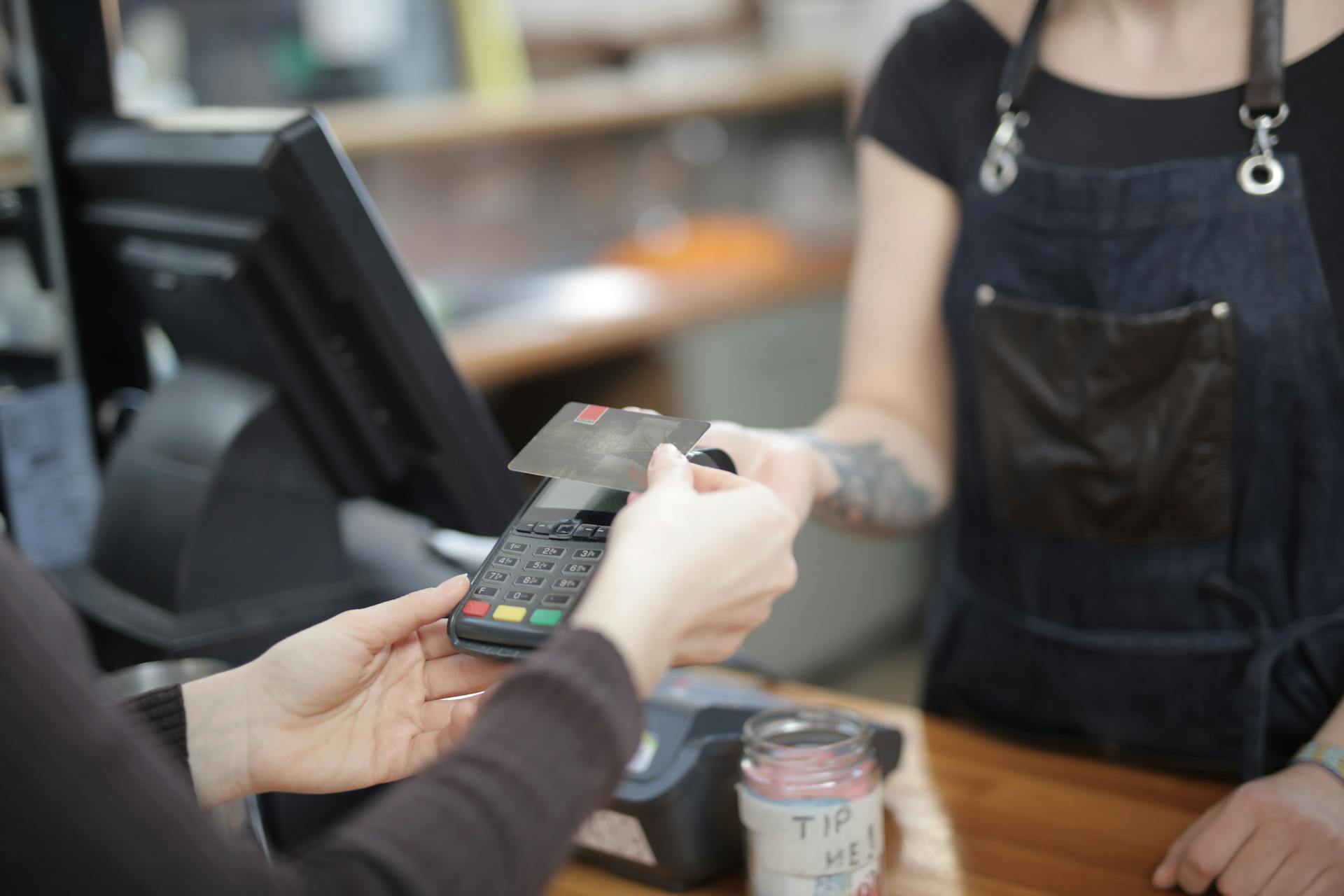
Lessons from top programs
When you look at the programs that perform best, a few things consistently show up. They keep rewards relevant, easy to understand, and genuinely useful, instead of adding perks just to fill a list. Whether that’s points, cashback, tiers, travel perks, or mobile-driven rewards, the strongest programs fit naturally into how people already manage their money day to day.
Looking at the examples in this blog, one thing is clear: rewards work best when they’re easy to understand, flexible to use, and fit naturally into how customers bank day to day. Programs that show clear progress, feel personal, and work smoothly across digital channels tend to drive stronger engagement, while overly complicated or poorly explained rewards usually fall flat over time.
In the end, bank rewards programs work best when they support broader loyalty goals rather than acting as standalone features. Banks that treat rewards as part of a cohesive customer experience, one that evolves with changing habits and expectations, are far more likely to build relationships that last. To explore more insights on loyalty strategy and customer engagement, read more here.

What is a loyalty program?
A loyalty program can be a good strategy for businesses to promote customer loyalty and increase customer satisfaction. Customers can earn rewards bas …
.png)
How to design a tiered loyalty program
A tiered loyalty program is an effective method to build long-term customer engagement. Instead of giving everyone the same benefits, it rewards custo …

The psychology behind loyalty programs
The psychology of loyalty explains why people keep coming back to the same brands, even when cheaper or more convenient options exist. Most of the tim …