

A tiered loyalty program tends to work well in practice because customers can see where they stand. When progress is clear and the next level feels within reach, people are more likely to stay engaged. Instead of treating every customer the same, tiered programs acknowledge loyalty over time, which gives customers a reason to return rather than start over elsewhere.
This structure is increasingly popular across retail, travel, financial services, and hospitality. Not because it sounds clever, but because it aligns with human motivation. Customers want to feel seen. They want to know that staying loyal matters. When done well, tiered loyalty programs turn repeat behavior into something that feels personal rather than transactional.
Below, we look at the key benefits of tiered loyalty programs, backed by behavioral research and real-world outcomes, and why they continue to outperform flat loyalty models.
Increased customer retention rates
One of the strongest benefits of tiered loyalty programs is their ability to improve customer retention. Retention is rarely driven by a single reward. Instead, it grows from having clear reasons to stay rather than reasons to switch.
When customers can see their progress, they behave differently. Being close to the next tier of reward often makes people more willing to keep going, especially after they have already invested time or money. Stopping at that point feels wasteful.
Research in the Journal of Consumer Research supports this idea, showing that visible progress toward rewards is linked to higher repeat activity and stronger commitment over time. Customers who know what they are working toward tend to stay engaged, even when alternatives exist.
Tiered loyalty programs also introduce switching costs that are psychological rather than financial. Leaving a brand is no longer just about losing points. It means giving up earned status, recognition, and future privileges. In crowded markets where products and prices often look similar, that emotional investment can be enough to keep customers loyal over time.
Rewards for continued engagement
Engagement-based rewards are a big reason tiered programs hold up over time. The best programs do not only reward spending. They also reward the small actions that show intent, like checking the app, leaving a review, or coming back week after week.
That matters because loyalty is often built in the in-between moments. A customer might not be ready to buy today, but they can still stay connected to the brand. Research in an open-access study on customer engagement and customer lifetime value highlights how engagement behaviors (beyond purchases) are tied to stronger long-term value and loyalty outcomes.
Below are common “continued engagement” rewards that fit naturally inside a tiered structure.
-
Early access to new products or features
-
Bonus points for consistent activity
-
Recognition milestones that unlock small but meaningful perks
Done well, engagement rewards give customers reasons to stay involved between purchases. The relationship does not go quiet. It stays active, familiar, and easier to return to when they are ready to buy again.

Exclusive benefits for top-tier members
Top-tier members are often the most profitable and the most emotionally invested customers. Tiered loyalty programs give brands a practical way to recognize this group without making everyone else feel left out.
Exclusive benefits are not always about luxury. In many cases, they are about removing friction and adding small moments of priority. An open-access study on loyalty program effectiveness notes that value-added benefits can include access to exclusive promotions and opportunities to try new products, and those benefits can help build an emotional bond with customers over time.
Examples of effective top-tier benefits include:
- Priority customer support
- Faster delivery or processing times
- Personalized offers based on past behavior
- Invitations to limited experiences or beta access
These perks reinforce a sense of belonging. Customers do not just feel rewarded. They feel recognized. And that recognition often leads to stronger preference, more word-of-mouth, and more patience when service hiccups happen.
Higher customer spending
Beyond retention, tiered loyalty programs often lead to higher customer spending because they make progress feel real. When customers can see how close they are to the next tier, they tend to change small decisions in the moment, like choosing the same brand again, adding one more item, or timing a purchase to move up.
What’s interesting is that spending increases do not always come from one big checkout. It often comes from steady behavior: more visits, fewer switches, and slightly larger baskets when a threshold is within reach. Research published in an academic study on loyalty program reward structures found that when the earning path is designed to feel more motivating (for example, rewards that accelerate as spending grows), customers report higher willingness to spend because the reward feels more valuable and progress feels faster.
Tier thresholds work like gentle nudges. Customers who are “almost there” are more likely to respond to offers that help them cross the line, even if the offer is modest. That can lift revenue while still reinforcing loyalty.
Tiered programs can also reduce discount dependency. Instead of running broad promotions for everyone, brands can shape incentives around where customers are in the journey, so rewards feel earned rather than automatic.
For example:
-
Lower tiers can get simple rewards that encourage exploration and repeat visits
-
Mid-tier customers can get boosters tied to consistent activity or spend thresholds
-
Top-tier members can receive value-added benefits that focus on convenience or access, not price cuts
This approach rewards growth without training customers to wait for sales.
What makes tiered loyalty programs so effective
Most tiered loyalty programs don’t succeed because of the rewards themselves. They succeed because customers can tell where they stand. When progress is visible and the next step feels close enough, people tend to stay. Walking away feels like giving something up, not just missing a discount.
You can usually see the effect pretty quickly. Some customers just stop drifting away. They come back because the program feels easy to understand and predictable. When people know what they’ve already earned and what’s still ahead, switching brands feels less appealing.
If you’re interested in how loyalty programs and customer engagement strategies continue to change across industries, you can read more recent insights and research in the latest articles on loyalty and customer engagement.
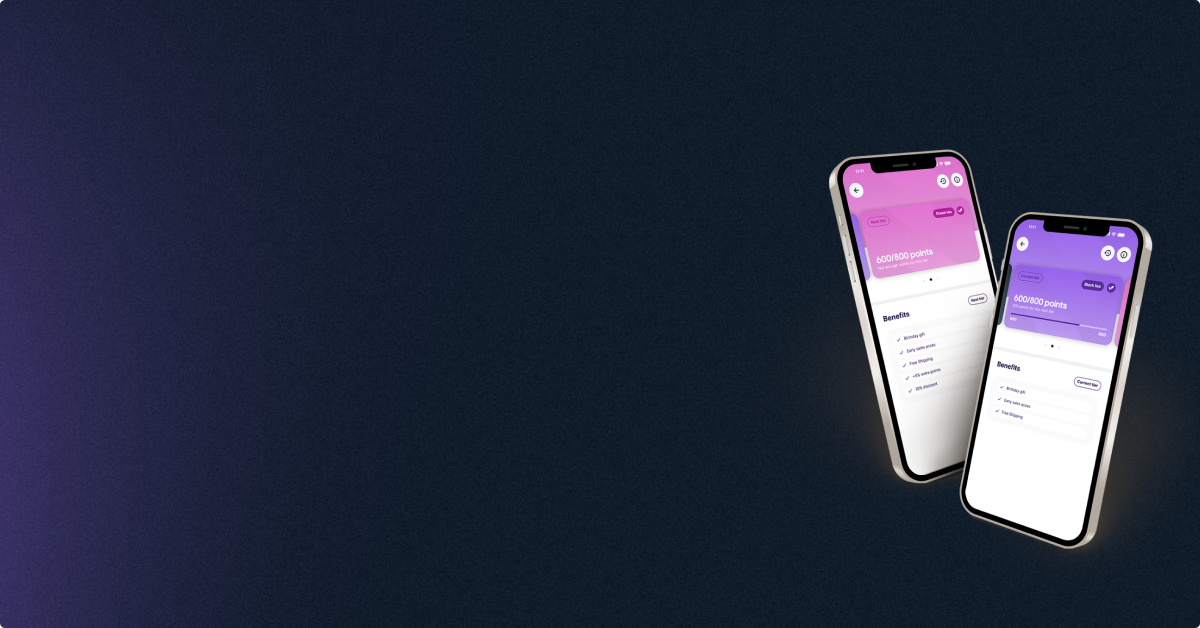
Black Release: Reduce churn with Flexible Tiering
Learn how NeoDay's Flexible Tiering system, a loyalty solution meant to make your loyalty program better, can change things for your business. By appl …

Building an effective employee reward program
An employee reward program usually starts with a straightforward goal: recognizing effort and keeping people motivated. Over time, it becomes somethin …
.png)
How to design a tiered loyalty program
A tiered loyalty program is an effective method to build long-term customer engagement. Instead of giving everyone the same benefits, it rewards custo …