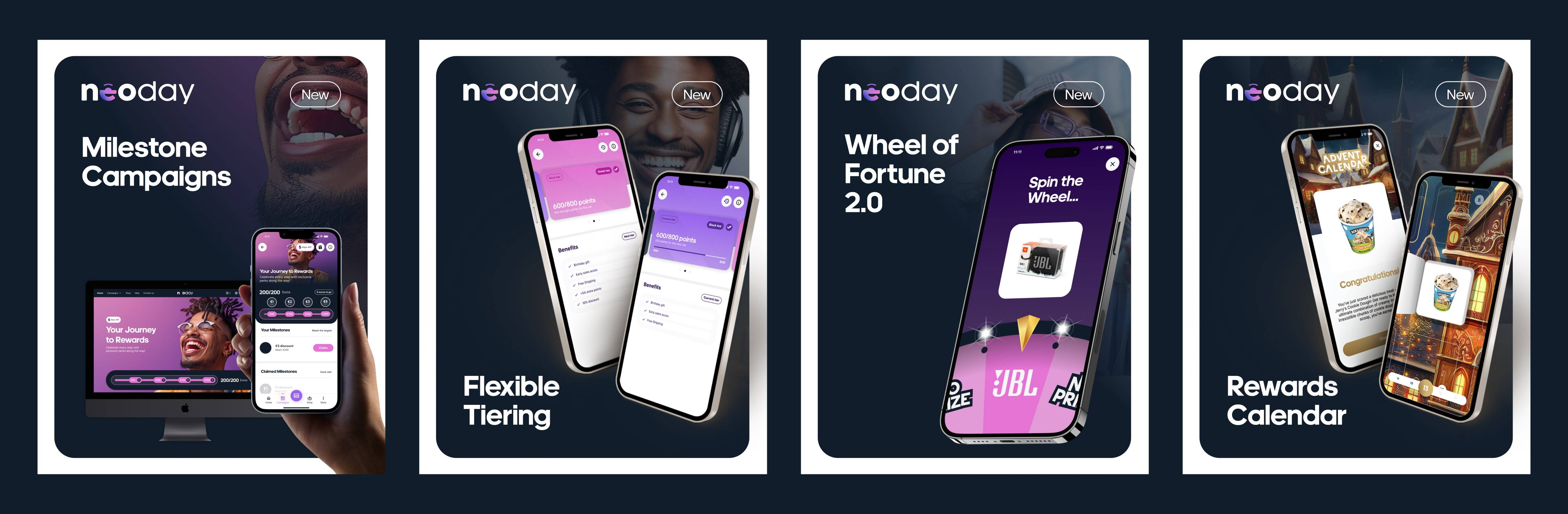
A bank loyalty program is often the first real signal of how a bank treats long-term customers. Some banks reward consistency. Others treat every transaction the same, no matter how long you’ve stayed. On the surface, most loyalty programs look simple enough. Spend money, earn points, and redeem something later. But over time, these programs quietly influence which cards people use, which accounts they keep open, and which bank they trust with more of their financial life.
As banking has shifted online and competition has increased, loyalty programs have changed with it. They are no longer just add-ons or nice extras. For many customers, they shape everyday decisions, from which card to tap at checkout to whether switching banks is worth the effort. Knowing how these programs actually work helps customers decide whether joining one makes sense or if it’s just another layer of complexity.
How bank loyalty programs benefit everyday customers
At their core, bank loyalty programs are about rewarding repeat behavior. When customers use the same bank for daily spending, saving, and payments, the bank benefits from steady engagement. In return, customers often gain access to perks they wouldn’t receive through a basic account alone.
One of the biggest reasons loyalty programs work is perceived value. People tend to stay with a program when the rewards feel achievable and clearly connected to how they already bank, rather than distant or hard to understand. In the financial services context, this link between clear benefits and stronger customer relationships has been observed in reviews of banking loyalty strategies, where meaningful rewards are shown to support both emotional attachment and long-term usage over time.
Beyond points and rewards, loyalty programs usually include smaller benefits that don’t always get much attention at first.
-
Slightly better interest rates on savings or loans
-
Account or card fees being reduced or waived
-
Early access to new features in the banking app
-
Offers shaped around how customers actually spend
On their own, these perks may not feel dramatic. Over time, though, they make everyday banking easier. Fewer fees, fewer steps, and fewer reasons to call support all add up. That sense of ease is often what keeps people from switching banks, even when another option looks similar on paper.
Many banks also spread loyalty programs across more than one product. A credit card, a savings account, and mobile payments might all feed into the same rewards balance. When that happens, customers don’t feel like they’re managing a separate program. It just becomes part of how they use their bank day-to-day.
Earning rewards points
Most bank loyalty programs are built around points because they fit naturally into everyday banking. Customers earn points by doing things they already do, such as paying with a debit or credit card, settling bills, keeping balances above a certain level, or occasionally referring friends. There is usually no extra effort involved, which makes participation feel effortless rather than forced.
Point systems usually lean toward everyday spending. Instead of giving most of the value to one big purchase, they reward regular use. Groceries, fuel, or monthly subscriptions often add up faster than the occasional high-ticket item. For many people, that simply makes sense. It matches how they already spend, without turning rewards into a reason to buy something they didn’t plan on.
What really keeps people paying attention is seeing progress. When points increase after ordinary purchases, the program feels active rather than theoretical. This idea, that visible progress makes rewards more motivating, is discussed in consumer behavior research published in Frontiers in Psychology.
Points are usually earned through everyday banking activity. In most programs, that includes things like:
-
Paying with a debit or credit card, including mobile wallets
-
Keeping account balances above a set minimum
-
Having a salary or regular income paid into the account
-
Referring friends or family
-
Spending with partner brands or services
Some banks add another layer through tiered systems. The more a customer uses the bank, the higher their tier, and the better the rewards. For frequent users, this can feel rewarding. For more casual customers, it can feel slightly out of reach, especially if the requirements aren’t clear.
That’s where clarity makes a difference. When banks explain how points are earned in a straightforward way, customers are more likely to stay engaged. Hidden rules or constantly changing conditions tend to do the opposite. When people know what to expect, participation feels fair and the program feels worth using.
Redeeming rewards
Earning points only feels worthwhile if using them is easy. This is where loyalty programs either stay exciting or start feeling like effort.
Most bank loyalty programs don’t offer endless ways to redeem points. Usually, customers choose between a few familiar options. Cash back is popular because it’s simple and shows up immediately. Gift cards and vouchers work well for everyday brands. Travel rewards tend to attract people who prefer saving points rather than spending them right away.
What makes the difference is flexibility. When redeeming points is straightforward, people actually use them. When it feels restricted or unclear, they don’t. This pattern between redemption choice and customer behavior is discussed in research on credit card reward program redemption patterns.
Typical redemption options include:
-
Cash back credited to an account
-
Statement credits
-
Retail or digital gift cards
-
Travel bookings or airline miles
-
Merchandise or experience-based rewards
Speed also matters. Programs that allow instant redemption inside a banking app tend to be used more often. When rewards take time or involve extra steps, points are more likely to sit unused.
Some banks now allow partial redemptions. Customers can combine points with cash, which reduces the pressure to save for large rewards and makes benefits feel more accessible.
Tips for maximizing your bank loyalty program benefits
Joining a loyalty program on its own doesn’t guarantee much. The value usually comes from paying a bit of attention and making small, simple adjustments over time.
People who actually use their loyalty benefits tend to notice them more. Checking rewards occasionally and spending points when it makes sense is usually enough to see value. This contrast between active and passive use is also discussed in a review of banking loyalty strategies, which links regular engagement with higher satisfaction over time.
Here are practical ways customers can maximize benefits without changing their lifestyle drastically.
Understand how points are earned
First, understand the earn structure. Not all transactions earn equally. Knowing which purchases generate more points can help optimize everyday spending without overspending.
Pay attention to points expiration rules
Second, watch for expiration policies. Some programs allow points to expire after inactivity. A simple reminder to redeem or earn periodically can prevent losing value.
Review redemption options regularly
Third, evaluate redemption options regularly. Banks occasionally update partners or introduce limited-time offers. Redeeming points strategically during these periods can significantly increase value.
Combine accounts to get better rewards
Fourth, link accounts where possible. Many banks reward customers who consolidate checking, savings, and cards under one profile.
Keep rewards aligned with healthy financial habits
Finally, avoid chasing rewards at the expense of financial health. Loyalty benefits should complement responsible spending, not encourage unnecessary purchases.
Customers who treat loyalty programs as a bonus rather than a goal tend to benefit the most. The program should reward behavior that already makes sense financially.
Why bank loyalty programs continue to matter
Loyalty programs in banking are no longer just about perks. They reflect how banks build long-term relationships in a digital-first world. When designed thoughtfully, they reward trust, consistency, and everyday engagement without demanding constant attention from customers.
For most customers, loyalty works best when it feels simple. If rewards are easy to understand and actually usable, people notice them. When they aren’t, they’re ignored. This idea, that long-term loyalty depends on clear value and ongoing interaction, is also discussed in research on customer engagement in service industries like banking.
As competition increases, banks that keep things clear tend to hold onto customers longer than those that add complexity. If you want to see how loyalty plays out beyond banking, you can explore more insights on loyalty and retention over on our blog.