

A loyalty app used to be something brands offered “just to have it,” but these days people actually rely on them, often without realizing how often they tap them open during the week. In this blog, we’re looking at why mobile apps have quietly become one of the easiest ways for brands to stay connected, plus the small features that actually make people come back. By the end, you’ll have a clear sense of what actually drives engagement and what customers quietly expect from the apps they use every day.
The importance of mobile apps in customer engagement
A loyalty app has become one of the easiest ways for brands to stay connected with people, mostly because it lives on the device everyone constantly checks. It’s not something customers think about; it’s just there, sitting on the home screen, ready whenever they need it. And because of that, it naturally slips into daily habits. Instead of digging through tabs or typing out a URL, people tap once, and they’re already looking at rewards, checking an offer, or opening an update. That tiny bit of convenience adds up over time.
There’s research pointing to this shift. A study in the International Journal for Multidisciplinary Research found that when a mobile experience feels simple and doesn’t get in the way, customers are more willing to use it again. Apps tend to feel smoother than websites because brands can design the whole experience without the limitations of a browser. They can decide how things look, how fast pages load, and how information shows up; all of which make the app feel familiar the next time a customer returns.
You can see why this matters in industries that rely on repeated actions: retail, hospitality, food and beverage, wellness, entertainment, and so on. In these spaces, an app often becomes the main touchpoint, simply because it’s the easiest option. It helps people get things done with very little effort, which slowly builds trust. And once customers start treating an app like their go-to place, engagement naturally follows. For more on how strong engagement supports long-term loyalty, read this article.
Improved accessibility for customers
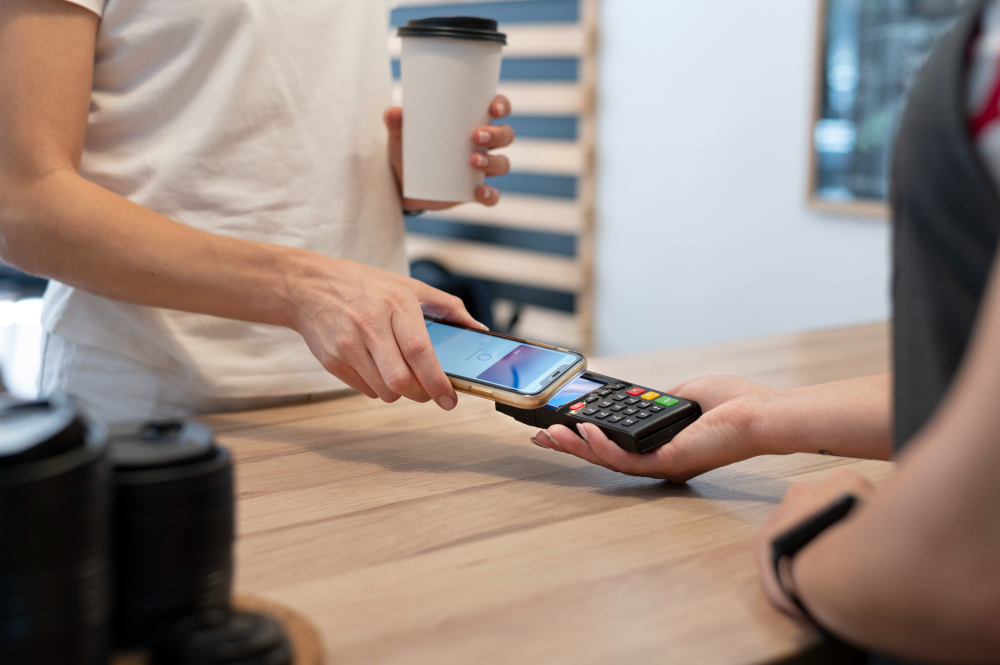
A loyalty app makes everyday interactions feel a lot less complicated. Most people don’t want to type a URL or dig through old emails just to check something; they want to tap once and get straight to what they need. That tiny shortcut matters more than we usually admit. Sometimes that one-tap difference is the only reason someone actually follows through instead of thinking, “I’ll do it later,” and then never coming back.
Research supports this. A study on mobile app engagement shows that when apps reduce effort and offer quick access, users are more likely to stay active and even increase purchase behavior.
You can see it in simple moments: someone quickly checking a reward during a commute, opening the app to confirm an order, or letting it remember their preferences so they don’t have to set things up again. For customers, the whole experience just feels lighter. For businesses, this translates to more consistent interaction because the app becomes the easiest place to get something done.
Personalized user experience
One thing people quietly appreciate about a loyalty app is how it gets better the more they use it. After a while, the app starts to feel less like a tool and more like something that “gets” them. It remembers what they usually look for, the places they visit, and the choices they tend to repeat. Suddenly the experience feels smoother, almost like the app is meeting them halfway.
There’s research backing this too. A study published in Cogent Business and Management found that when a mobile experience feels personal, not generic, people stay engaged because the app feels more relevant to their routine.
You see this in everyday apps. Fitness apps nudge you about the workout you skipped yesterday. Travel apps quietly update suggestions based on the cities you keep checking. Food apps somehow remember your go-to order even if you haven’t placed it in months. When personalization works well, the interaction stops feeling transactional. It feels familiar, and that familiarity is what keeps people coming back. For more on how personalization shapes loyalty trends, here’s a helpful read.
Features that enhance customer engagement
A loyalty app becomes much more engaging when it includes features that feel natural in a customer’s daily routine. The features that work best aren’t the flashy ones; they’re the tiny things that save people time or remove one extra tap. When an app removes small moments of friction, customers are more likely to return and use it regularly.
Research published in Future Internet highlights how mobile app capabilities, especially those that improve convenience, interaction, and real-time access, play a meaningful role in shaping customer engagement within the digital environment.
Some features consistently stand out:
- In-app rewards and simple loyalty point tracking
- Personalized dashboards based on individual behavior
- One-tap repeat ordering for routine purchases
- Location-based suggestions and experiences
- Digital punch cards or light gamification
These features work because they blend into the way people already use their phones. They reduce effort while adding value, which naturally encourages repeat engagement. And among all these enhancements, one feature continues to be a reliable driver of activity: push notifications.

Push notifications
Push notifications play a big role in keeping a loyalty app active in a customer’s daily routine. They help because they show up at the exact moment when a little reminder actually matters. Research published in JMIR mHealth and uHealth shows that well-timed mobile notifications can improve engagement and support ongoing user interaction when they feel relevant and useful.
They shine in the moments people tend to forget, like a reward that’s expiring soon or an order update you weren’t actively checking. A quick reminder about an unclaimed reward, a note about a limited-time offer, or an update on an order can bring someone back into the app without feeling intrusive. Even light, personalized suggestions help foster a sense of connection between the user and the brand.
The key is balance. When notifications are thoughtful, spaced well, and tied to real value, they feel like gentle nudges rather than interruptions. That kind of balance helps brands maintain engagement over time, similar to how platforms like NeoDay support teams in delivering timely, relevant customer interactions.
Conclusion
A loyalty app is one of those tools that quietly stays in the background but makes everyday interactions easier. When it removes small frustrations and gives people something useful at the right time, it naturally keeps them coming back. Loyalty is also a big part of why customers continue using a mobile app environment in the first place; the rewards, recognition, and familiar routine give them a reason to stay engaged. When an app reduces friction and delivers value at the right time, it strengthens engagement without overwhelming the user. As expectations continue to shift toward convenience and relevance, the businesses that invest in thoughtful mobile experiences will be the ones that keep customers coming back. For more ideas on building stronger engagement, you can explore our latest articles.

The psychology behind loyalty programs
The psychology of loyalty explains why people keep coming back to the same brands, even when cheaper or more convenient options exist. Most of the tim …
The Black Release: Discover NeoDay's latest product updates
The latest product update (called: Black Release) is another step in our journey to help companies engage with their existing customer. Discover what …

Ways to increase customer engagement
Nowadays, especially in a world where customers are becoming more discerning, increasing customer engagement is critical for businesses that want to b …