

Digital loyalty cards and physical loyalty cards have been around long enough that most of us have used at least one. They’re both meant to keep customers connected to a brand, but they go about it in different ways, and honestly, each comes with its own little perks and annoyances.
If you’re trying to figure out which one fits your business better, or just wondering why you tend to use one more than the other, this breakdown should help. We’re looking at how each type works in real life, where they shine, and where they fall short.
What are loyalty cards?
Loyalty cards aren’t new. They’ve been around in one form or another for decades, whether as punch cards at local cafés or plastic membership cards at supermarkets. The idea behind them has stayed fairly consistent: give people a reason to keep coming back. Over time, however, the format has shifted from paper punch cards and plastic membership cards to mobile-based, app-driven digital versions.
A study published in the Journal of Retailing and Consumer Services shows how introducing a loyalty program can significantly improve customer retention and long-term customer value, reinforcing how structured rewards shape ongoing behavior and perceived benefits.
Definition of loyalty cards
At the simplest level, a loyalty card helps a business keep track of someone’s visits or purchases and gives something back in return. Years ago, this usually meant handing over a plastic card or getting a stamp on a paper one. These days, it might just mean tapping your phone. The basic idea hasn’t really changed; people earn something for sticking with a brand, but the way it’s done looks different now.
For companies, loyalty cards also offer a window into what customers actually do: what they buy, how often they come back, and which rewards catch their interest. From a customer’s point of view, it’s a small way to make everyday purchases feel like they’re building toward something, whether that’s a little discount, a free drink, or a personalized offer. If you’re curious about how these cards show up in real use cases today, you can explore more here.
Types of loyalty cards
You’ll usually run into two kinds of loyalty cards today, and each one tends to fit different types of customers.
Physical loyalty cards have been around the longest. They began with simple paper punch cards used by small shops to encourage repeat visits, eventually evolving into plastic membership cards widely used in supermarkets, pharmacies, and hospitality. Their appeal lies in familiarity; people recognize them instantly, and many still like the feeling of having something they can hold or keep in their wallet.
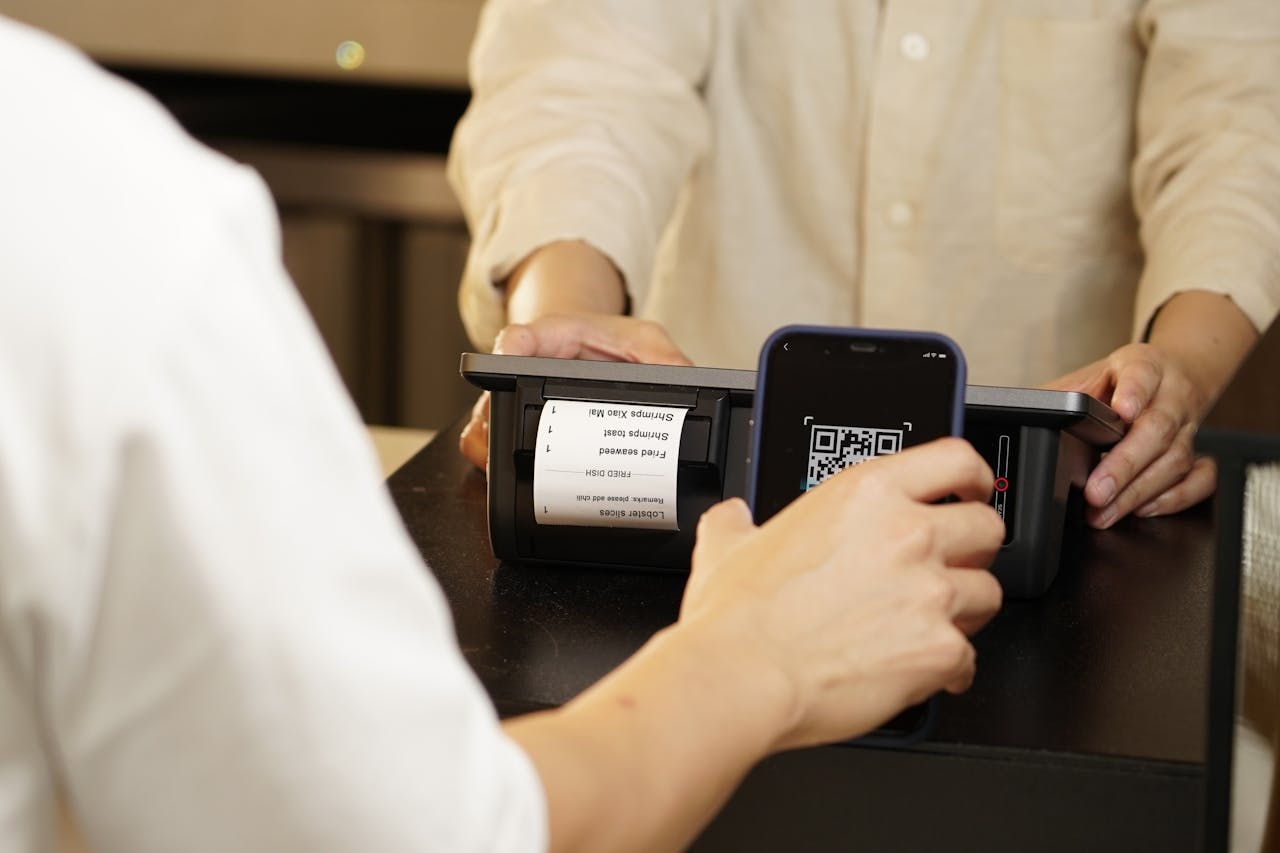
Digital loyalty cards, on the other hand, emerged as smartphones became part of daily life. They shifted rewards into mobile apps, digital wallets, and QR-based systems, removing the need to carry anything physical. Instead of stamping a card or scanning plastic, customers track points, rewards, and offers directly on their phones. This more modern approach grew in popularity as brands looked for faster, more flexible ways to communicate, personalize, and update their loyalty programs.
Both types try to encourage people to come back, but they fit into people’s lives in completely different ways. A single exploratory study examined how loyalty card programs shape customer–brand relationships and how technology supports these systems, showing that loyalty cards are most effective when they are simple, intuitive, and aligned with customer needs.
Pros of digital loyalty cards
More recently, digital loyalty cards have become the go-to option for many brands, mostly because people always have their phones with them. As more people carry their phones instead of wallets, loyalty naturally moves into the digital space.
Convenience
If you ask people why they prefer digital cards, most will say it’s just easier. No digging for a tiny piece of plastic; you just open an app. This makes earning and redeeming rewards feel effortless, especially in everyday moments when time and attention are limited.
For businesses, the convenience goes even further. Digital formats allow updates, new offers, or corrections to be made instantly, with no printing, replacing, or redistributing physical cards. It keeps information accurate and reduces operational work, all while giving customers a smoother experience.
A study published in the Journal of Consumer Marketing found that customers are far more likely to stay engaged with loyalty programs when the process requires minimal effort and fits naturally into their routine, one of the key advantages of digital, always-accessible formats.
Personalization
Another thing that sets digital loyalty cards apart is how easily they can adapt to what different customers actually want. Because digital systems often connect to user profiles or purchase history, businesses can tailor offers and rewards to each individual, whether that’s a birthday discount, a reward based on past purchases, or a reminder about points that are close to expiring.
Personalization plays a big part here. People notice when something feels made for them instead of just blasted at everyone. When a reward matches a customer’s habits, it feels more thoughtful and reinforces the sense that the brand understands their preferences.
Many modern loyalty platforms use behavior-based triggers to support this, allowing customers to receive rewards that align with what they already enjoy. This ties closely to the psychological side of loyalty, where familiarity, relevance, and habit play a big role in repeat behavior, ideas explored further in this article.
A study examining digital membership systems found that personalized digital interactions can significantly improve customer loyalty by making the experience feel more tailored and meaningful.
Cons of physical loyalty cards
Physical loyalty cards still work for plenty of people, especially those who like having something they can hold onto. But they do come with a few practical issues that start to show once you use them for a while. In a world where most things are shifting toward faster, more flexible digital routines, the limitations of physical cards become harder to ignore.
Limited space
Physical loyalty cards come with a simple limitation: there’s only so much space to work with. A plastic card or paper stamp card can hold a logo, a few lines of text, and maybe a barcode, but that’s about it. Once the design is printed, nothing can be added or changed. This makes it difficult for businesses to update information or keep the experience current.
Important details often need to be left out, such as
- new offers or promotions
- updated terms or program rules
- seasonal changes
- personalized rewards or suggestions
Because the card itself is static, it can’t adapt to new customer needs or shifting campaign priorities. With digital cards, that problem largely disappears; updates can roll out instantly without touching anything physical.
A study examining how technology supports customer-facing systems notes that static, unchanging formats are less effective in fast-moving environments where customer expectations evolve quickly, a challenge physical loyalty cards can’t easily overcome.
Risk of loss or damage
One of the biggest drawbacks of physical loyalty cards is how easily they can be lost or damaged. Physical cards are easy to misplace or damage. Most people have lost one at some point, whether it got left in another bag, ended up in the wash, or simply disappeared. And when that happens, customers often lose access to their points or rewards unless the business keeps a separate digital record. For many people, the inconvenience alone is enough to discourage participation.
Even customers who enjoy collecting rewards may find themselves carrying several cards at once, which adds to the likelihood of misplacing them. Over time, this small barrier can create frustration, especially when someone is close to earning a reward but can’t redeem it because the card isn’t with them.
A study examining physical activity loyalty cards found that forgetting or misplacing a physical card reduced participation and interrupted behavior change, highlighting how even minor obstacles can significantly affect engagement.
Conclusion
There’s no clear winner between digital and physical loyalty cards. What works really depends on the people using them. Some prefer having an actual card they can take out of their wallet, while others would rather keep everything on their phone and not think about it. Physical cards have their charm, but they also come with limits, like running out of space or getting lost. Digital ones tend to be easier to update and personalize, which is why they’re becoming more common.
In the end, the best choice is the one that fits how your customers live and shop. As long as the experience feels smooth and meaningful, the format matters less than the value people get from it. If you want to dig deeper into loyalty, customer habits, or engagement trends, you can explore more articles here.

Seasonal promotions and loyalty: How timing matters
Seasonality influences how people shop more than most businesses realize, which is why seasonal promotions can make such a big difference in whether c …
Bank rewards program examples that actually work, and why
A bank rewards program is no longer a “nice-to-have” perk—it’s a key reason customers choose one bank over another and decide to stay. As switching ba …

Ways to increase customer engagement
Nowadays, especially in a world where customers are becoming more discerning, increasing customer engagement is critical for businesses that want to b …