
Blog
Product Updates
How Banks Can Build Better Customer Loyalty Programs

Jurgen Swaans
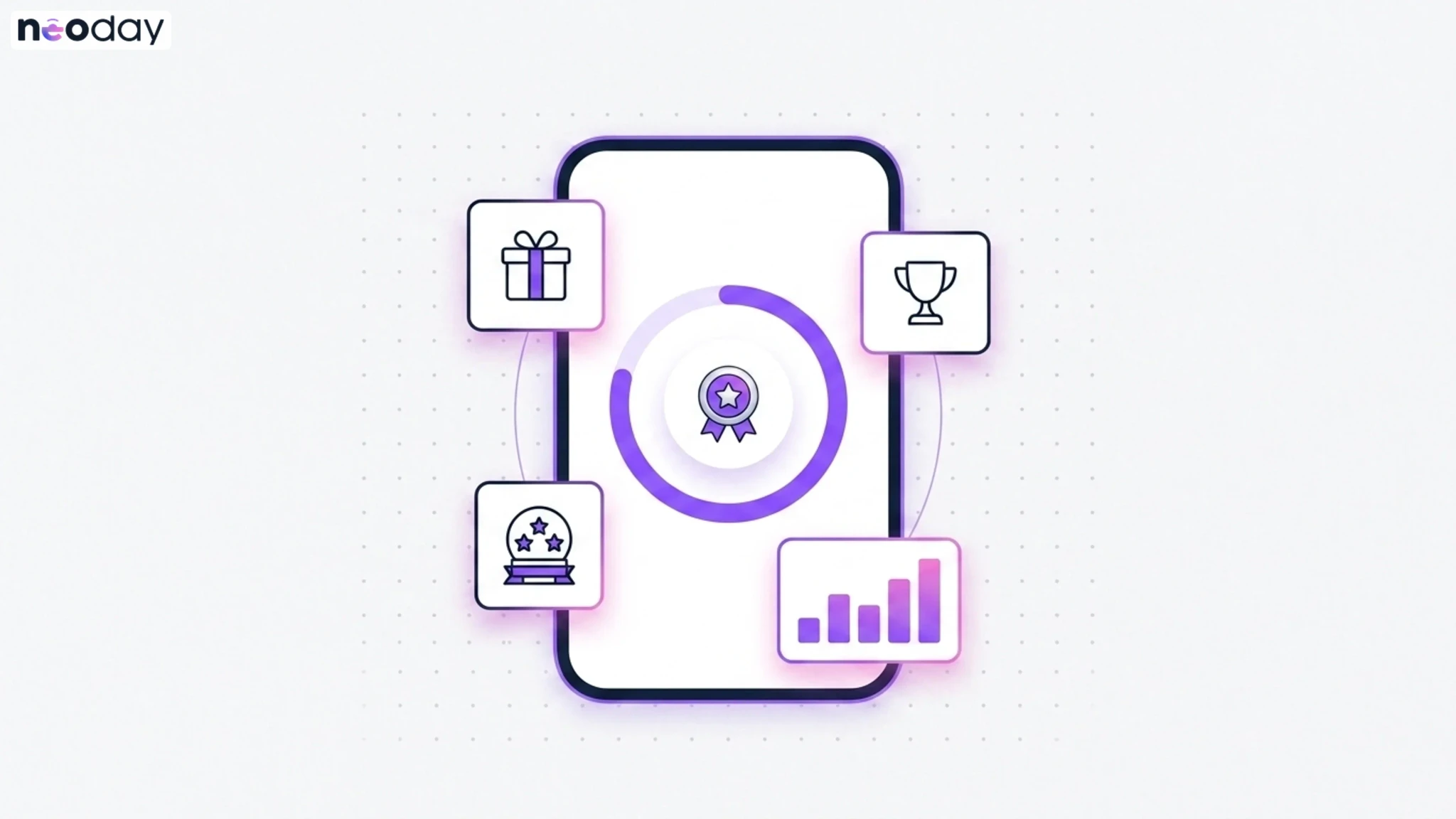
A well-designed bank loyalty program can be the difference between a customer who stays for decades and one who switches to a fintech competitor at the first sign of a better rate. Yet most bank loyalty programs still rely on the same transactional points-for-purchases model that has barely changed since the 1980s. Customers have moved on. Their expectations have not.
This article explains what makes a modern bank loyalty program work, where traditional programs fall short, and what banks can do right now to build something customers actually care about.
Why most bank loyalty programs underperform
Banking is a low-emotion category. Customers rarely feel excited about their bank the way they might about a favourite coffee shop or airline. Loyalty programs in banking therefore carry extra weight: they are often the primary mechanism for creating positive emotional touchpoints.
The problem is that most bank loyalty programs were designed around card spend, not around the full relationship a customer has with their bank. A customer who holds a mortgage, a savings account, a current account, and a credit card might be worth ten times more to the bank than a card-only customer. Yet the loyalty program rewards only the card swipes.
This creates a structural mismatch. The bank's most valuable customers are not necessarily the ones who feel most rewarded.
There is also the engagement problem. Points that accumulate slowly, expire quietly, and can only be redeemed for a narrow set of rewards do not generate the kind of regular interaction that keeps a brand top of mind. Customers check their points balance once a year, if at all.
What customers actually want from a bank loyalty program
Research consistently shows that banking customers value relevance, simplicity, and a sense of progress. They want to know that their loyalty is being noticed, that rewards are attainable, and that the program reflects their actual relationship with the bank, not just their spending habits.
Four things stand out across customer surveys and behavioral data:
Personalisation matters more than reward size. A smaller reward that feels tailored to a customer's life stage or financial goals is perceived as more valuable than a generic cashback offer.
Transparency builds trust. Customers want to understand exactly how they earn, what their points are worth, and when they expire. Opacity destroys loyalty faster than almost any other design flaw.
Attainability drives engagement. Rewards that feel just out of reach lead to disengagement. Programs that celebrate small wins, not just big redemptions, keep customers active.
Reciprocity shapes perception. When a bank rewards behaviors beyond spending, such as maintaining a savings target, referring a friend, or completing a financial wellness check, customers feel the relationship is genuinely mutual.
The mechanics that separate good programs from great ones
A bank loyalty program is only as strong as its underlying mechanics. The following table compares the most common program structures banks use today, along with their key trade-offs.
Program structure | Core mechanic | Best for | Key risk |
|---|---|---|---|
Points on card spend | Earn points per transaction | Mass retail card portfolios | Ignores non-card products |
Tiered status programs | Unlock benefits at spend or balance thresholds | Premium and private banking | Status can feel exclusionary |
Cashback rewards | Percentage return on eligible spend | Price-sensitive segments | Low emotional engagement |
Milestone and challenge-based programs | Complete goals to earn rewards or badges | Digital-first, younger customers | Requires strong app or frontend |
Coalition programs | Earn and redeem across partner networks | Banks with large retail partnerships | Partner dependency and complexity |
The most forward-thinking banks are moving toward hybrid models that combine tiered status with milestone-based engagement. This is where gamification becomes a genuine strategic asset rather than a marketing buzzword.
Gamification in a bank loyalty context means applying game design principles, such as progress bars, challenges, streaks, badges, and unlockable tiers, to financial behaviors. When a customer sees a progress bar showing they are 60% of the way to their next reward tier, they are more likely to engage with the bank than if they simply receive a quarterly statement showing their points balance.
Platforms built specifically for gamified loyalty, like NeoDay, ship these mechanics out of the box, including milestone campaigns, challenges, points, tiers, and badges, alongside a member-facing frontend that customers actually want to use.
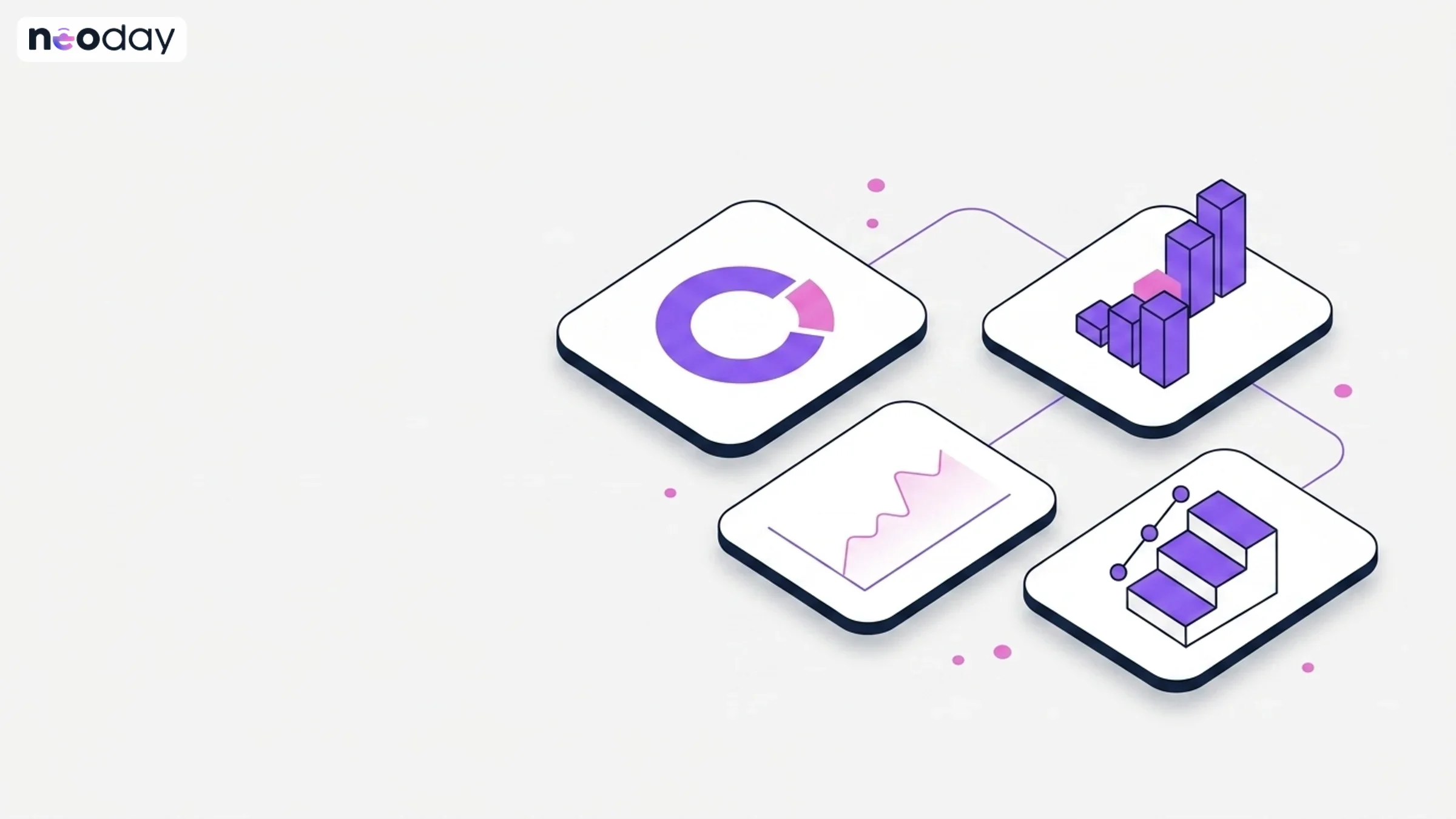
Gamified tier mechanics, like progress bars and milestone badges, turn passive points balances into active engagement drivers for bank loyalty programs.
How to structure a bank loyalty program that drives real retention
Customer retention is the business case for loyalty. Acquiring a new banking customer costs significantly more than retaining an existing one, and long-tenure customers tend to hold more products and generate higher lifetime value. A loyalty program that genuinely improves retention is worth serious investment.
For a deeper look at why retention metrics matter so much for program design, the NeoDay article on customer retention: what it is and why it matters is a useful starting point.
Here is a practical framework for structuring a bank loyalty program that moves the retention needle.
Start with the relationship, not the transaction
Map every meaningful touchpoint a customer has with your bank across their financial lifecycle. Opening an account, setting up a direct debit, reaching a savings milestone, taking out a loan, using a mobile app feature for the first time. Each of these is an opportunity to deliver a reward signal.
Designing your program around the relationship means customers feel recognised even in months when their card spend is low.
Build in visible progress
Progress visibility is one of the most robust findings in behavioral science. People are more motivated by tasks when they can see how far they have come and how far they have to go.
For a bank loyalty program, this means showing customers their current tier, the benefits they have unlocked, and what they need to do to reach the next level. A gamified milestone campaign, where customers earn badges or bonus points for completing specific financial goals, creates exactly this kind of visible momentum.
Use segmentation to make rewards feel personal
A student account holder, a young professional saving for a first home, and a retired customer managing a pension drawdown have almost nothing in common in terms of what they value in a loyalty program.
Effective bank loyalty programs use behavioral and life-stage segmentation to serve different reward tracks to different customers. This does not require a completely different program for each segment. It requires flexible reward logic and a frontend that can surface the right offers to the right people at the right time.
Make redemption frictionless
Points that are difficult to redeem are points that will never build loyalty. Banks that require customers to log into a separate portal, navigate a confusing catalog, or wait weeks for rewards to arrive are actively undermining the program's purpose.
Redemption should be available at the moments customers are already engaged with the bank, inside the mobile app, at the point of a transaction, or through a dedicated member dashboard that loads quickly and clearly shows what is available.
Incorporate partners thoughtfully
Partner rewards, such as discounts with retailers, travel benefits, or entertainment offers, extend the program's perceived value without requiring the bank to fund every reward directly. But partner selection matters.
Partners should align with the bank's customer segments. A premium card program with luxury travel partners makes sense for high-net-worth customers. A youth-focused current account program might partner with streaming services, food delivery apps, or fitness brands.
The goal is relevance, not volume. Ten well-chosen partners beat fifty irrelevant ones.
Common mistakes banks make with loyalty programs
Understanding what goes wrong helps avoid repeating the same errors. The following table summarises the most common failure modes in bank loyalty programs and what to do instead.
Common mistake | Why it fails | Better approach |
|---|---|---|
Rewarding only card spend | Ignores the full customer relationship | Reward multi-product engagement and financial milestones |
Points that expire without notice | Destroys trust and generates complaints | Transparent expiry with advance reminders and grace periods |
One-size-fits-all rewards | Low relevance, low engagement | Segment-based reward tracks tied to life stage and behavior |
No visible progress mechanic | Customers forget the program exists | Gamified tiers, progress bars, and milestone challenges |
Redemption buried in a separate portal | Friction kills engagement | In-app redemption at natural banking touchpoints |
No measurement framework | Cannot improve what you do not measure | Track engagement rate, redemption rate, and retention by segment |
What banks can learn from other industries
Banks are often late adopters of loyalty innovation that other industries have been refining for years. Retail and restaurant loyalty programs, in particular, have developed a sophisticated understanding of how gamification, personalization, and community drive long-term engagement.
The best retail loyalty program examples show how tiered status, surprise rewards, and challenge mechanics can turn occasional shoppers into advocates. Many of the same principles apply directly to banking: the mechanics are not industry-specific, only the context is.
Similarly, loyalty program examples across various industries illustrate how membership-based models, punch-card equivalents, and milestone campaigns have been adapted for everything from gyms to grocery stores. Banks that study these models will find plenty of transferable ideas.
One practical tool worth examining is coupon and voucher software, which banks can use to deliver targeted reward offers at specific moments in the customer lifecycle, such as when a customer opens a new product or reaches a savings goal, without requiring a complete program overhaul.
Measuring whether your bank loyalty program is actually working
A loyalty program that cannot be measured cannot be improved. Banks should track a core set of metrics on a monthly basis, segmented by customer tier, product holding, and acquisition channel.
The metrics that matter most:
Program enrollment rate: What percentage of eligible customers join the program? A low enrollment rate signals a weak value proposition or poor awareness.
Active engagement rate: Of enrolled members, what percentage interacts with the program at least once per month? This is the single best indicator of whether the program is creating genuine engagement or just sitting unused.
Redemption rate: What percentage of earned rewards are actually redeemed? Low redemption often signals friction in the redemption process or irrelevant reward choices.
Retention differential: Do loyalty program members retain at a higher rate than non-members with similar profiles? This is the ultimate proof of program ROI.
Multi-product holding rate: Are loyalty program members more likely to hold multiple products? If yes, the program is working as a relationship deepener, not just a transactional incentive.
Building a better bank loyalty program: where to start
Most banks do not need to scrap their existing loyalty program and start from zero. They need to identify the biggest gap between what their program currently does and what customers actually value.
For most banks, that gap is engagement. The program exists, the points accumulate, but customers do not think about it, talk about it, or feel motivated by it. Fixing engagement usually means adding visible progress mechanics, improving redemption simplicity, and introducing milestone-based challenges that give customers a reason to interact with the program between major financial events.
For banks building a new program or undertaking a significant redesign, the NeoDay loyalty platform provides the gamification infrastructure, including tiers, badges, challenges, and a member frontend, needed to deliver modern loyalty mechanics without building everything from scratch.
The membership card software layer can also help banks create a tangible, branded membership identity that customers associate with belonging to something worth staying in.
Sources: Accenture Global Banking Consumer Study 2023; Bain and Company, Customer Loyalty in Retail Banking 2023; Bond Brand Loyalty, The Loyalty Report 2024; McKinsey and Company, Redefining Customer Loyalty in Financial Services 2022.
Frequently asked questions about bank loyalty programs
What is a bank loyalty program? A bank loyalty program is a structured rewards scheme that incentivises customers to deepen their relationship with a bank by earning points, status, or benefits in exchange for eligible behaviors such as card spend, product adoption, or financial goal completion.
How do bank loyalty programs work? Customers earn rewards by completing qualifying actions, typically card transactions but increasingly a broader range of financial behaviors. Rewards accumulate in a points balance or unlock tiered benefits, which customers can redeem for cashback, vouchers, partner discounts, or other incentives through a bank app or dedicated portal.
What makes a bank loyalty program successful? Successful bank loyalty programs combine relevant rewards with visible progress mechanics, frictionless redemption, and personalisation based on customer life stage and product holding. Programs that reward only card spend and offer no visible engagement mechanic consistently underperform.
What is gamification in a bank loyalty program? Gamification in a bank loyalty program means applying game design principles, such as progress bars, milestone challenges, badges, streaks, and unlockable tiers, to financial behaviors. These mechanics increase engagement by giving customers a clear sense of progress and small wins along the path to larger rewards.
How can banks measure the ROI of a loyalty program? Banks should measure program enrollment rate, active engagement rate, redemption rate, retention differential between members and non-members, and multi-product holding rate among enrolled customers. The retention differential is the most direct measure of whether the program is generating genuine commercial value.
What rewards work best in a bank loyalty program? Rewards that align with the customer's life stage and financial behavior tend to outperform generic cashback. Travel benefits work well for premium segments, while younger customers respond strongly to everyday lifestyle rewards. In all segments, attainability and relevance matter more than headline reward value.
How often should a bank loyalty program be redesigned? A full structural redesign is typically warranted every three to five years, driven by major shifts in customer expectations or competitive dynamics. However, reward catalog updates, partner refreshes, and engagement mechanic improvements should be reviewed and adjusted at least annually based on engagement and redemption data.
Can smaller banks or credit unions run effective loyalty programs? Yes. Smaller banks and credit unions can run highly effective loyalty programs by focusing on a narrow, well-defined customer segment rather than trying to compete on reward breadth with large banks. Gamified milestone campaigns and community-based benefits, where members feel part of something local and meaningful, can create stronger emotional loyalty than large-budget points programs at major banks.