
Blog
Product Updates
How to Start a Restaurant Loyalty Program: Step-by-Step Guide

Ronald Meeuwissen

Knowing how to start a loyalty program for your restaurant can mean the difference between a one-time visitor and a regular guest who brings friends. Repeat customers spend more, visit more often, and cost far less to retain than new ones. Yet most restaurant owners delay building a program because they assume it requires expensive technology or a marketing team. This guide walks you through every step, from setting your goals to choosing software and launching to your first members.
Why restaurant loyalty programs work
Customer retention is one of the highest-leverage activities in food service. Research consistently shows that increasing retention by just five percent can lift profits by 25 to 95 percent, depending on the business model. Restaurants operate on thin margins, so even modest improvements in repeat visit frequency add up quickly.
A well-designed loyalty program does three things at once. It gives guests a reason to return, it gives you first-party data about their preferences and visit patterns, and it creates a direct communication channel that no social media algorithm can throttle. For a deeper look at the business case, see our guide on customer retention: what it is and why it matters.
The key word here is "well-designed." A program that is confusing, hard to join, or stingy with rewards will be ignored. The steps below are designed to help you avoid those traps.
Step 1: Define your goals before you build anything
Every decision you make later, from reward structure to software choice, flows from your goals. Vague goals produce vague programs. Be specific.
Common restaurant loyalty goals include increasing average visit frequency, raising the average check size, filling slow time slots, reducing reliance on third-party delivery platforms, or growing a direct email and SMS list. You do not need to chase all of these at once. Pick one or two primary goals for your first year.
For example, if your main problem is that lunch is slow on weekdays, your program should reward midweek daytime visits more than weekend dinner visits. If your problem is low average check, your rewards should be tied to spend rather than visit count.
Write your goals down and attach a number to each one. "Increase repeat visits" is not a goal. "Increase the percentage of guests who visit more than once per month from 18 percent to 30 percent within 12 months" is a goal.
Step 2: Choose your reward model
The reward model is the core mechanic that members interact with every time they visit. The right model depends on your concept, average ticket, and customer behavior.
The table below summarizes the most common models used by restaurants.
Reward model | How it works | Best for |
|---|---|---|
Points per dollar spent | Members earn points on every purchase and redeem them for discounts or free items | Full-service, fast casual, cafes with higher average tickets |
Visit-based stamps | Members earn a stamp per visit; a completed card unlocks a reward | Quick-service, coffee shops, fast food with frequent low-value transactions |
Tier / status levels | Members unlock better rewards as they reach spending thresholds | Restaurants with strong brand identity and engaged regulars |
Paid membership | Members pay a monthly or annual fee for exclusive perks | Concepts with high visit frequency and a loyal core audience |
Cashback | A percentage of spend is returned as credit | Any concept; simple to communicate and easy for members to understand |
For most independent and small-chain restaurants starting out, a points-per-dollar or visit-stamp model is the right place to begin. Both are easy for staff to explain and easy for guests to understand without reading instructions.
Avoid building a program that requires a calculator to figure out whether the reward is worth pursuing. Simplicity drives enrollment and ongoing engagement.
Step 3: Design your reward structure
Once you have chosen a model, you need to set the actual earn and burn rates. This is where many programs go wrong, usually by being too stingy.
A useful benchmark: members should be able to earn a meaningful reward within three to five visits. If it takes 20 visits to earn a free appetizer, most members will lose interest before they ever redeem anything. The moment of redemption is when members feel the emotional payoff of the program, so you want that moment to happen reasonably quickly.
At the same time, the economics need to make sense. A simple way to check: if your average check is 25 euros and you give one point per euro, and 100 points unlocks a 5-euro reward, your reward rate is 20 percent. That is likely too high. A reward rate of 5 to 10 percent of revenue is sustainable for most restaurants.
Bonus rewards and multiplier events are a smart way to drive behavior without changing the base earn rate. Offer double points on Tuesday evenings, or a bonus stamp when a member tries a new menu item. These short-term incentives create urgency and keep the program feeling fresh.
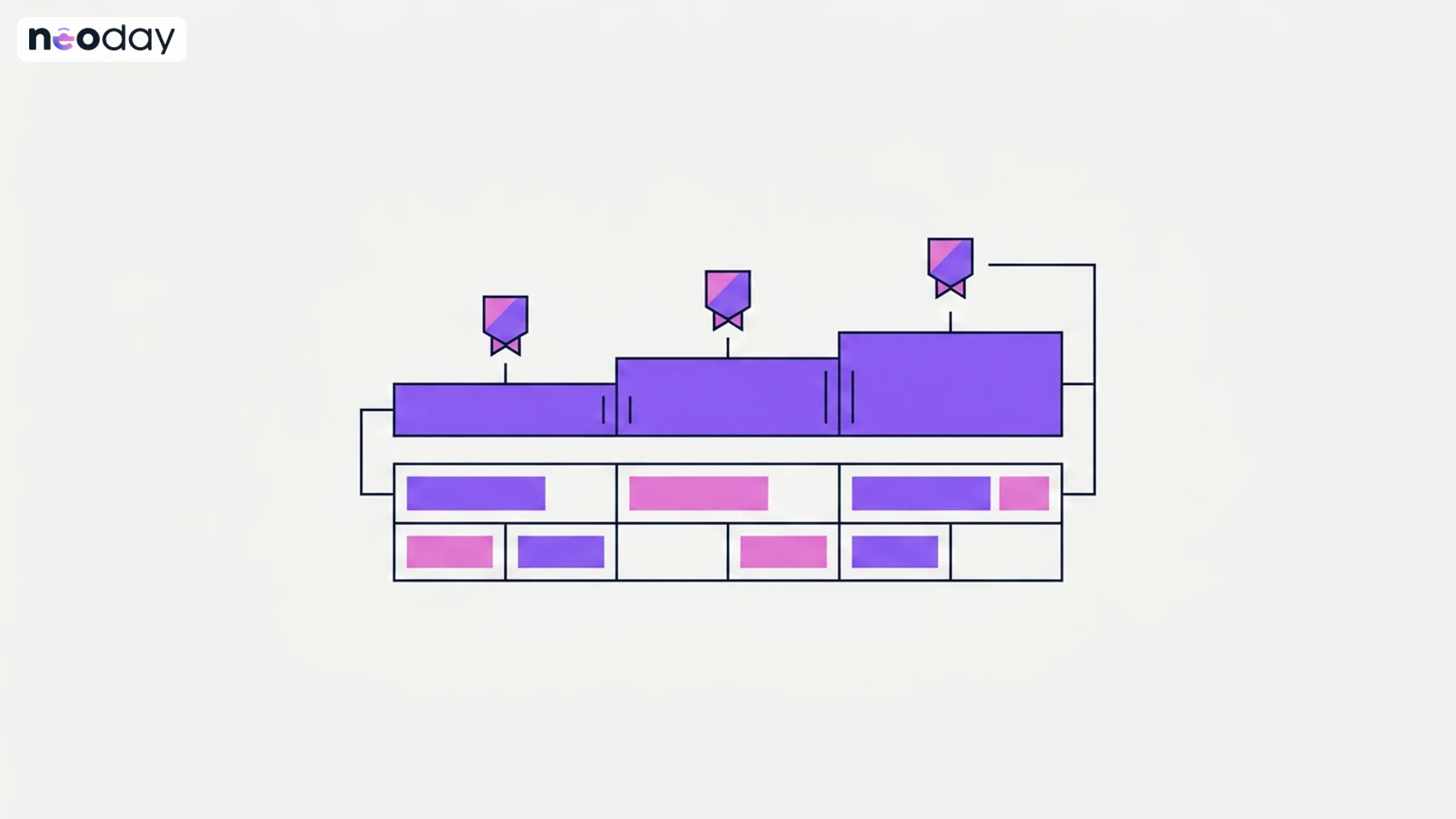
Mapping out earn and burn rates before launch helps you avoid reward structures that are either too generous to sustain or too stingy to motivate repeat visits.
Step 4: Decide how members will enroll and identify themselves
Program enrollment and member identification are the two biggest friction points in any restaurant loyalty program. If joining is hard or checking in feels awkward, guests simply will not bother.
Here are the main enrollment and identification methods, with honest tradeoffs for each.
Method | Enrollment friction | Check-in friction | Data quality |
|---|---|---|---|
Physical stamp card | Very low | Very low | No digital data collected |
App download | High | Low after install | High |
Phone number lookup | Low | Very low | Medium |
QR code scan (web-based) | Low | Low | High |
NFC or loyalty card tap | Low | Very low | High |
Receipt code entry | Medium | Medium | High |
For most restaurants, a web-based QR code enrollment combined with phone number or email lookup at the point of sale strikes the best balance. Guests scan a code at the table or counter, fill in a short form on their phone without downloading anything, and then identify themselves at future visits by giving their phone number or scanning a personal QR code in their digital wallet.
For businesses that want to offer premium membership tiers, a physical or digital membership card adds tangible value and reinforces the sense of belonging.
Step 5: Choose your loyalty program software
The software you choose will determine what is possible, how much ongoing management the program requires, and how well it integrates with your existing point-of-sale and marketing tools.
When evaluating platforms, look for these capabilities:
Point-of-sale integration or a simple manual check-in option if integration is not possible
Automated member communications via email and SMS, triggered by behavior such as a first visit, a reward earned, or a lapse in visits
Coupon and offer management, so you can run promotions without needing a developer (see how NeoDay handles this with coupon software)
Reporting and analytics that show you visit frequency, redemption rates, and member lifetime value
A good member-facing experience, whether that is an app, a digital wallet card, or a web portal
Avoid platforms that lock your member data behind proprietary exports or make it difficult to move to a different provider later. Your member list is one of your most valuable business assets.
NeoDay is built specifically for retail, restaurant, and membership businesses. It handles points, stamps, tiers, coupons, and member communications in one place without requiring a development team to set up or maintain. You can explore the full platform at NeoDay Loyalty.
For inspiration on what a polished restaurant program looks like in practice, browse these restaurant loyalty program examples.
Step 6: Train your staff
The best-designed loyalty program will underperform if your front-of-house team does not actively promote it. Staff enthusiasm is the single most reliable driver of enrollment at the point of sale.
Train every team member on three things. First, a one-sentence explanation of the program that they can deliver naturally during a transaction. Second, how to look up a member by phone number or scan a QR code. Third, how to handle the most common guest questions, such as how to check a points balance or how to redeem a reward.
Keep the training short and practical. Role-play the enrollment conversation during a pre-shift meeting. Post a laminated quick-reference card at each register. Recognize staff members who drive the most enrollments during their shifts.
Step 7: Launch and promote your program
A quiet launch is a wasted launch. When your program goes live, you want every guest who visits in the first two weeks to know it exists.
On-premise promotion should include table tents or counter cards, receipts with a QR code and a short call to action, and verbal mentions from staff. Digital promotion should include an email to your existing contact list, a post on each of your social channels, and an update to your Google Business Profile.
Consider offering a launch bonus for the first 30 days: extra points or a bonus stamp just for enrolling. This creates urgency and rewards early adopters, which helps you build a member base quickly.
If you already have regulars whose contact information you hold, reach out to them directly and give them a head start. Pre-loading a few points or stamps for known loyal guests feels generous and gets them immediately invested in reaching their first reward.
Step 8: Measure, learn, and improve
No loyalty program is perfect at launch. The goal is to build a feedback loop that lets you improve the program based on real behavior, not assumptions.
Track these metrics monthly:
Enrollment rate: what percentage of new guests join the program
Active member rate: what percentage of enrolled members have visited at least once in the last 90 days
Redemption rate: what percentage of earned rewards are actually redeemed
Visit frequency delta: are members visiting more often than non-members
Average check delta: are members spending more per visit than non-members
If your redemption rate is very low, your rewards may be too hard to earn. If your active member rate drops sharply after 60 days, your re-engagement communications may need work. Use the data to make one change at a time, then measure the effect.
For a broader view of how loyalty programs perform across industries, the loyalty program examples across industries article is a useful reference.
Sources: Harvard Business Review on customer retention economics; Bond Brand Loyalty Report 2024; NeoDay internal product documentation; National Restaurant Association industry data.
Frequently asked questions about how to start a loyalty program for restaurants
How much does it cost to start a restaurant loyalty program? Costs range from free (basic stamp card apps) to several hundred euros per month for full-featured SaaS platforms. Most small to mid-sized restaurants find that a mid-tier platform costing 50 to 150 euros per month pays for itself quickly through increased repeat visit revenue.
How long does it take to set up a restaurant loyalty program? With modern software like NeoDay, a basic program can be configured and ready to launch in one to three days. A more complex setup with custom tiers, integrations, and branded member communications typically takes one to two weeks.
What is the best reward structure for a restaurant loyalty program? The best structure depends on your average ticket and visit frequency. Points per dollar spent works well for full-service restaurants with higher checks. Visit-based stamps work well for quick-service concepts where guests visit multiple times per week.
Do I need a mobile app to run a loyalty program? No. Many successful restaurant loyalty programs run entirely through web-based QR codes and digital wallet passes, which require no app download from the guest. Removing the download barrier significantly increases enrollment rates.
How do I get customers to actually sign up for my loyalty program? The most effective enrollment driver is a trained front-of-house team that mentions the program during every transaction. On-premise materials such as table tents and receipt QR codes support this. A launch bonus for early sign-ups also accelerates initial enrollment.
How do I know if my loyalty program is working? Track visit frequency and average check for members versus non-members. If members visit more often and spend more per visit, the program is working. Redemption rate is also a useful signal: a healthy program typically sees 20 to 40 percent of earned rewards redeemed.
Should I charge guests to join my loyalty program? A paid membership tier can work well for restaurants with highly engaged regulars and a strong brand identity. However, most restaurants should start with a free program to build member volume before introducing a paid tier as an optional upgrade.
Can a small independent restaurant benefit from a loyalty program? Yes. Independent restaurants often see stronger loyalty program results than chains because their guests already have a personal connection to the concept. Even a simple program with 200 active members can generate a measurable lift in monthly revenue through increased repeat visits.