
Blog
Product Updates
How to Start a Restaurant Loyalty Program (2026 Guide)

Kim van der Zande
Repeat customers spend 67% more per visit than first-time diners, and they cost about 5x less to retain than the equivalent revenue would cost to acquire from new guests. For a restaurant operating on 3-5% net margins, that gap is the difference between a good year and a bad one.
A well-built restaurant loyalty program is the most direct lever you have to close it. This guide walks through how to start a restaurant loyalty program from scratch, including what to set up before launch, the seven steps to get live, and the mistakes that quietly kill programs in the first 90 days.
Why a Restaurant Loyalty Program Is Worth Starting
Restaurants live and die by repeat traffic. The numbers behind loyalty are clear:
Metric | Impact |
|---|---|
Cost of retaining a customer vs acquiring a new one | 5-7x lower |
Average spend increase for repeat customers vs new guests | 67% higher |
Share of future profit from top 20% of customers | Up to 80% |
Guests who say a loyalty program influences where they eat | 57% |
Loyalty members who visit more often after enrolling | 80% report increased frequency |
A loyalty program is not just a points card stapled to a receipt. It is the data and communication layer that lets you recognize your best guests, win back lapsed ones, and turn a casual visit into a habit.
The good news for independent and mid-size operators: the technology gap has closed. A digital program that captures every transaction, tracks customer behavior, and triggers personalized offers can now be live in days rather than months.
Before You Start: 4 Things to Get Right First
Most failed restaurant loyalty programs fail before launch, not after. The structure was wrong from day one. Get these four prerequisites in place before you write a single reward rule.
1. Know Your Repeat Visit Rate Today
You cannot improve what you do not measure. Pull your POS data for the last 90 days and answer two questions:
What percentage of guests visited more than once?
What is the average gap between visits for repeat guests?
This is your baseline. Any loyalty program you launch should be designed to move these two numbers.
2. Define One Primary Goal
Loyalty programs underperform when they try to do everything. Pick one:
Increase visit frequency for casual regulars (most common for quick-service and fast-casual)
Increase ticket size per visit (most common for full-service and casual dining)
Win back lapsed guests who have not visited in 60-90 days
Grow off-peak traffic (weekday lunch, slow nights)
Your reward structure, messaging, and metrics all flow from this choice.
3. Audit Your POS and Payment Setup
A loyalty program is only as good as the data feeding it. Before you choose a platform, check:
Does your POS support an open API or a loyalty integration?
Can you tie a transaction to an individual customer profile, not just a check?
Do you have customer phone numbers or emails captured anywhere today?
If the answers are mostly no, that is fixable, but it should be part of the launch plan rather than an afterthought.
4. Set a Reward Budget You Can Defend
The rule of thumb for restaurant loyalty programs: budget 3-5% of member revenue for rewards. Less than that, and the program feels stingy and gets ignored. More than that, and you are subsidizing customers who would have visited anyway.
This is a planning number, not a hard cap. The real check is incremental revenue per member compared to non-members, which you measure after 90 days.
How to Start a Restaurant Loyalty Program: 7 Steps
Step 1: Pick the Right Program Type for Your Restaurant
The four formats that work for restaurants:
Program Type | Best Fit | How It Works |
|---|---|---|
Points-based | Cafes, fast casual, QSR | 1 point per dollar, redeemable for menu items or discounts |
Visit-based (stamp card) | Coffee shops, lunch spots, single-item venues | 9 visits, 10th free. Simple and effective |
Tiered | Multi-location chains, mixed casual and high-spend guests | Bronze/Silver/Gold based on annual spend, unlocking better perks |
Paid membership | Full-service with strong regulars, supper clubs, member-driven concepts | Monthly or annual fee for guaranteed perks and discounts |
Most independent restaurants start with points or visit-based programs because they are simple to explain at the register and require minimal staff training. Multi-location operators with a mix of casual and high-value guests get more lift from a tiered structure.
For real-world examples of each format in action, see best restaurant loyalty program examples.
Step 2: Design the Reward Structure
The reward structure needs to pass two tests from the guest's point of view: easy to earn, and worth the effort.
Practical guidelines that hold across program types:
Set the first reward low enough to hit in 2-3 visits. If guests cannot see a clear path to redemption within their normal visit pattern, they disengage.
Make the earn rate transparent. "1 point per $1 spent, 100 points for a free entree" is better than opaque conversion math.
Layer non-discount rewards. Birthday items, early access to a new menu, a free drink with a Tuesday visit. These cost less than blanket discounts and feel more personal.
Cap discounting on high-margin items only where it hurts. Letting points redeem against beverages and desserts protects food costs.
A typical points structure for a casual restaurant:
Tier | Threshold | Reward |
|---|---|---|
Welcome | Sign up | Free drink or appetizer on next visit |
50 points | After ~$50 spend | Free side or dessert |
150 points | After ~$150 spend | Free entree up to $15 |
500 points | After ~$500 spend | Private tasting, chef's table, or exclusive event invite |
Step 3: Choose the Loyalty Platform
This is the decision most operators overthink. The right platform for a restaurant program checks five boxes:
POS integration with the system you already use (Toast, Square, Lightspeed, Aloha, etc.)
Digital enrollment via QR code or phone number, no app download required
Automated lifecycle messaging (welcome, birthday, lapsed visit)
Reporting that shows member vs non-member spend, frequency, and redemption rates
Coupon and campaign tools for one-off promotions outside the points system
NeoDay's loyalty platform covers this stack for restaurants, with digital membership cards, points tracking, and built-in coupon campaigns that work across single-location and multi-location operators. The coupon software sits alongside the points engine for time-bound promotions like a Tuesday lunch push or a slow-night reactivation offer.
Whatever platform you choose, prioritize integration depth over feature breadth. A loyalty program disconnected from your POS becomes a manual data exercise within weeks.
Step 4: Build the Enrollment Flow
Enrollment is where most programs leak. A complicated signup means guests never join, and a program no one is in produces no results.
The best-performing restaurant enrollment flows:
Table tents and QR codes that drop guests straight into a one-field signup (phone number)
Server prompts at check delivery: "Would you like to add this to your rewards balance?"
Receipt-based signup with a short URL or QR
At-counter enrollment for QSR and fast casual: cashier asks for phone number at payment
Avoid email-only enrollment. Phone numbers convert at significantly higher rates, are easier to capture at the table, and unlock SMS as a high-open-rate channel for later.
Aim for 30-40% of transactions tied to an enrolled member within the first six months. If you are not getting there, the friction is in the enrollment step, not the rewards.
Step 5: Train Your Staff (This Is Not Optional)
Servers, hosts, and cashiers are the program. If they do not mention it, guests do not join. If they do not know how to apply a redemption, guests get frustrated. Loyalty programs that skip staff training routinely see enrollment rates under 5%, while well-trained teams hit 30% or higher.
A working staff playbook covers:
A two-sentence pitch every server can deliver: what guests get, how to sign up
How to apply a redemption at the POS in under 10 seconds
What to say when a guest asks "what do I get with this?"
A weekly leaderboard or small incentive for highest enrollment rate per shift
Most successful operators run a 30-minute training session before launch and a 5-minute refresher at every pre-shift for the first month.
Step 6: Promote the Program
A loyalty program no one knows about delivers no revenue. The promotion channels that move the needle for restaurants:
Receipt and check inserts for every dine-in and takeout order
Email and SMS to any existing customer database (this is often the largest immediate enrollment driver)
Social media with a launch post and pinned content
Online ordering checkout with a one-click enrollment option
Window decals and table tents for in-store reminders
Google Business Profile updates highlighting the program
Plan a 4-week launch push, then move to evergreen promotion built into every customer touchpoint. The biggest single mistake operators make here is treating the launch as a one-time event rather than a permanent operational addition.
Step 7: Measure, Iterate, and Run Campaigns
After 60-90 days, you have enough data to start optimizing. The metrics that matter:
Enrollment rate: Members as percentage of total transactions
Member spend lift: Average ticket size for members vs non-members
Visit frequency lift: Visits per member vs visits per non-member over a 90-day window
Redemption rate: Percentage of members who redeem at least one reward
Lapse rate: Members who go 60+ days without a visit
These metrics drive the campaign calendar. A few examples of campaigns that consistently work for restaurants:
Birthday rewards: A free dessert or entree on the guest's birthday week
Lapsed-guest win-back: An automated offer to members who have not visited in 45-60 days
Off-peak boost: A double-points promotion for Tuesday-Wednesday lunch or slow dinner shifts
Tier-up nudges: A message to guests one or two visits away from the next tier
For a deeper view of how repeat-visit programs connect to retention strategy, see why customer retention matters.
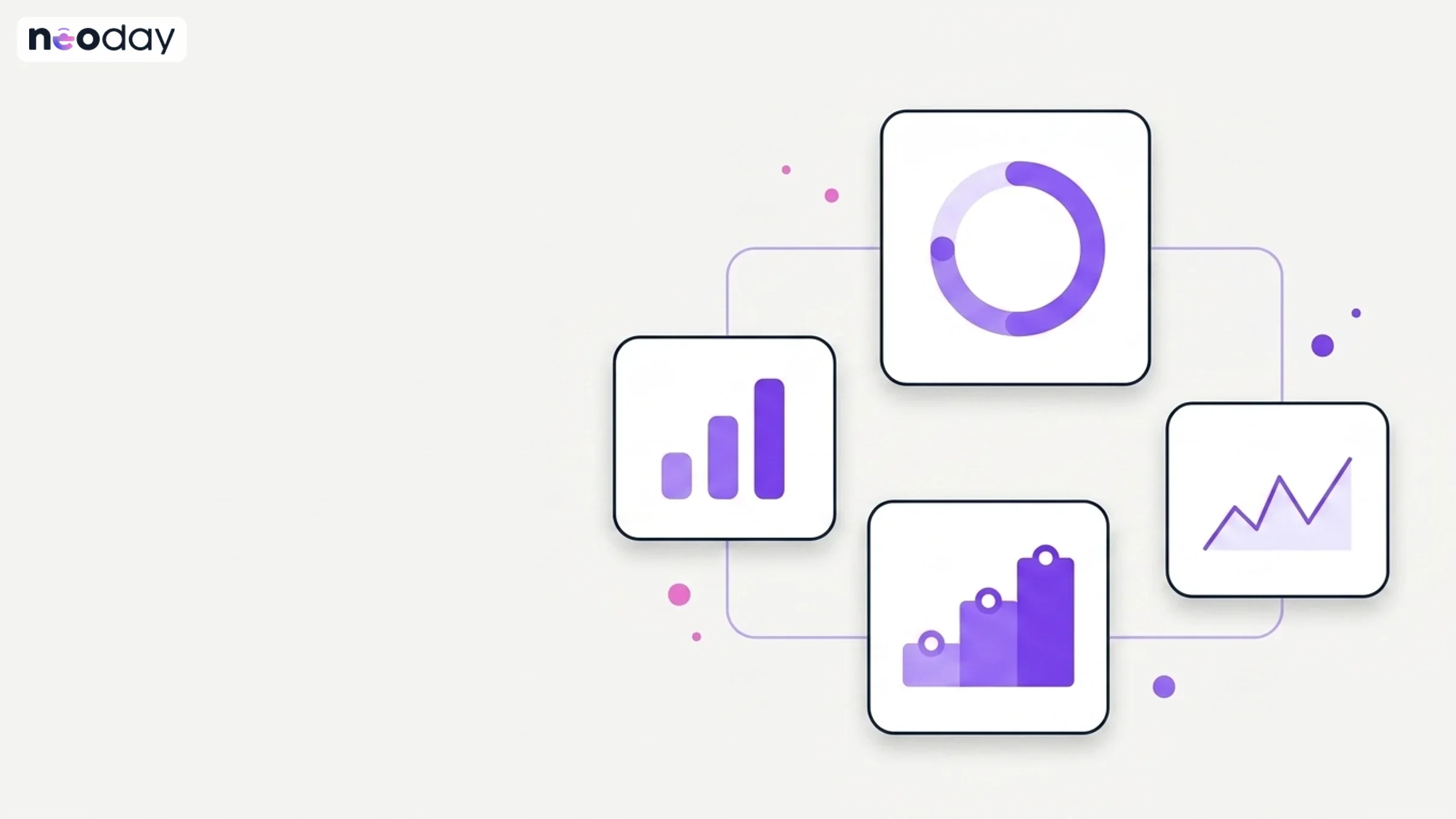
A working restaurant loyalty flow connects enrollment, transaction tracking, automated lifecycle messaging, and redemption in one continuous loop.
Common Mistakes That Kill Restaurant Loyalty Programs
The patterns that cause programs to underperform are predictable. Avoid these:
Overcomplicated reward rules. If a server cannot explain the program in 15 seconds, guests will not join. Simplicity beats cleverness.
First reward set too high. Members need a redemption win in their normal visit pattern. A 500-point first reward for a guest who spends $25 a visit is dead on arrival.
No staff incentive structure. If servers see no reason to mention the program, they will not. A small bonus or recognition tied to enrollment rate solves this.
Treating the program as set-and-forget. Programs that never get refreshed lose engagement after 6-12 months. Plan quarterly campaign refreshes from the start.
Discount-only rewards. Rewards that always look like discounts attract discount hunters, not loyal regulars. Mix in experiential and access-based rewards.
No win-back automation. Most loyalty platforms can automate a lapsed-guest message at 30, 45, and 60 days. Operators who skip this leave significant revenue on the table.
How Much Does a Restaurant Loyalty Program Cost?
The answer depends on the technology stack and the size of the operation, but the rough math for an independent or small-chain restaurant:
Cost Component | Typical Range (Monthly) |
|---|---|
Loyalty platform subscription | $50-$300 per location |
POS integration setup (one-time) | $0-$500 |
Rewards budget (3-5% of member revenue) | Variable |
Staff training time | 30-60 minutes initial, 5 minutes weekly |
Marketing collateral and promotion | $100-$500 launch, then minimal |
Total program cost rarely exceeds 2-4% of member revenue when run efficiently. Programs that consistently return 4-6x that investment in incremental revenue are the norm, not the exception, when measurement and iteration are in place.
A digital membership card approach reduces the upfront cost further by removing physical card printing, plastic, and reissuance.
Key Takeaways
Start with one goal. Visit frequency, ticket size, or win-back. Programs that try to optimize everything optimize nothing.
Pick the simplest format that fits. Points or visit-based for most independent restaurants. Tiered for multi-location chains with mixed customer profiles.
Make first redemption easy. Guests who redeem once are significantly more likely to become long-term regulars. Design the first reward threshold accordingly.
Train staff hard. The single biggest driver of enrollment rate is staff knowledge and motivation, not technology.
Measure what matters. Member vs non-member spend lift and redemption rate are the two metrics that tell you whether the program is working.
Sources: Bain and Company customer retention research, Paytronix Restaurant Loyalty Report, Technomic Consumer Restaurant Insights, LoyaltyLion restaurant loyalty statistics, Queue-it loyalty program statistics
FAQ
How do I start a restaurant loyalty program from scratch? Start by defining one primary goal (visit frequency, ticket size, or win-back), then pick a program format that matches your restaurant type (points, visit-based, tiered, or paid). Choose a loyalty platform that integrates with your POS, build a simple enrollment flow at the table or counter, train your staff, and promote the program at every customer touchpoint. Most restaurants can launch within 2-4 weeks.
What is the best type of loyalty program for a restaurant? For most independent restaurants and cafes, a points-based or visit-based (digital stamp card) program performs best because it is simple to explain and easy for staff to operate. Multi-location chains with a mix of casual and high-spend guests usually see stronger results from a tiered program that rewards top customers with status and exclusive perks.
How much does it cost to set up a restaurant loyalty program? A digital loyalty program for an independent restaurant typically costs $50-$300 per month for the platform, plus a rewards budget of 3-5% of member revenue. Total all-in cost stays in the 2-4% of member revenue range when run efficiently, and well-run programs return 4-6x that investment in incremental revenue.
Do small restaurants need a loyalty program? Yes, and the case is often stronger for small restaurants than large chains. Independent operators have more personal customer relationships, which makes loyalty programs more effective relative to their size. Digital tools like QR-code enrollment and digital membership cards have eliminated the technical barriers that historically kept loyalty out of reach for smaller operators.
How long does it take to launch a restaurant loyalty program? Most restaurants go from decision to launch in 2-4 weeks. The work splits roughly into a week for platform setup and POS integration, a week for reward structure design and staff training, and a week for the promotional launch. Larger multi-location chains usually need 4-8 weeks because of the integration and training scale.
What metrics should I track for a restaurant loyalty program? The five metrics that matter most are: enrollment rate (members as a share of total transactions), member vs non-member spend lift, visit frequency lift, redemption rate, and lapse rate. Revenue per enrolled member is the summary number that captures whether the program is working overall.
Can I run a loyalty program without an app? Yes. Most modern restaurant loyalty platforms work with a phone number, QR code, or digital wallet pass, with no app download required. App-based programs add cost and create download friction. For most independent and mid-size operators, a no-app approach gets higher enrollment and lower drop-off.
How do I get guests to actually sign up? Two levers matter most: staff prompting at the right moment (check delivery or payment), and a clear, immediate first reward (something they can redeem on their next visit). Programs that depend on table tents alone rarely exceed 5-10% enrollment. Programs with active staff prompting routinely hit 30% or higher.