
Blog
Product Updates
Retail loyalty program ideas: 10 tactics to increase CLV

Haske Verhees
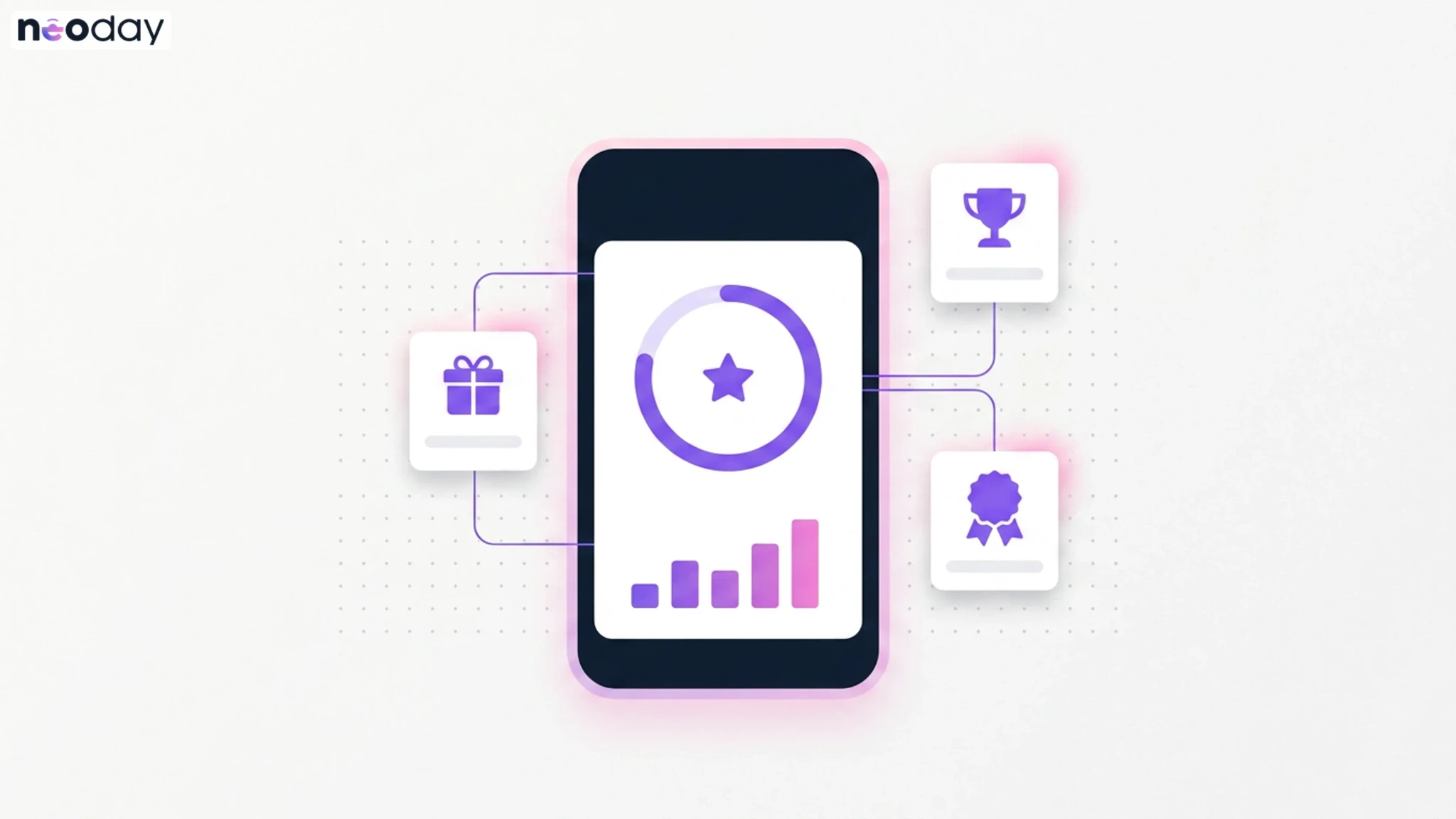
Retail loyalty program ideas are everywhere, but most of them stop at a simple punch card or a generic discount. That is a missed opportunity. When loyalty mechanics are designed around behavior, emotion, and progress, they stop being a cost center and start driving real customer lifetime value (CLV).
This post walks through ten tactics you can put to work, explains the reasoning behind each one, and shows how modern SaaS platforms make implementation faster than you might expect.
Why most retail loyalty programs underperform
Customer retention is one of the highest-leverage levers in retail. Research consistently shows that increasing retention by just five percent can lift profits by 25 to 95 percent. Yet many programs stall because they rely on a single mechanic, usually a discount, and never give members a reason to stay engaged between purchases.
The programs that outperform share a common thread: they make loyalty feel like a game worth playing. Progress bars, milestone rewards, status levels, and surprise unlocks all trigger the same psychological drivers that keep people coming back. That is where thoughtful program design separates winners from everyone else.
For a broader look at how retention connects to revenue, see what customer retention is and why it matters.
10 retail loyalty program ideas that increase customer lifetime value
1. Build a points economy with meaningful exchange rates
Points programs remain the backbone of retail loyalty, but the exchange rate is where most brands get it wrong. If the effort required to earn a reward feels disproportionate to its value, members disengage before they ever redeem.
A useful rule of thumb: members should be able to earn a meaningful reward within two to four visits. Audit your current earn and burn rates against average order values and visit frequency before launching.
2. Use tiered status to reward your best customers
Loyalty tiers create aspiration. When a customer can see that spending a little more moves them from Silver to Gold, you introduce a forward-looking reason to choose your store over a competitor.
Tiers also let you concentrate your most generous perks on the customers who drive the most revenue, rather than spreading discounts uniformly. Common tier benefits include early access to sales, free shipping thresholds, and dedicated support lines.
3. Launch milestone campaigns for key customer moments
A milestone campaign rewards customers when they hit a specific threshold, such as a fifth purchase, a one-year anniversary, or reaching a cumulative spend level. These moments feel personal even when they are automated.
Milestone campaigns are particularly effective for re-engaging customers who have gone quiet. A triggered reward when someone returns after 90 days costs little but signals that you noticed they were gone.
4. Run time-limited challenges to drive specific behaviors
Loyalty challenges are short, goal-oriented campaigns that reward members for completing a defined set of actions within a window of time. A challenge might ask members to visit three times in a month, try a new product category, or refer a friend.
Challenges are powerful because they direct behavior toward outcomes you actually want, not just repeat purchases. They also create urgency, which is something a passive points balance never does.
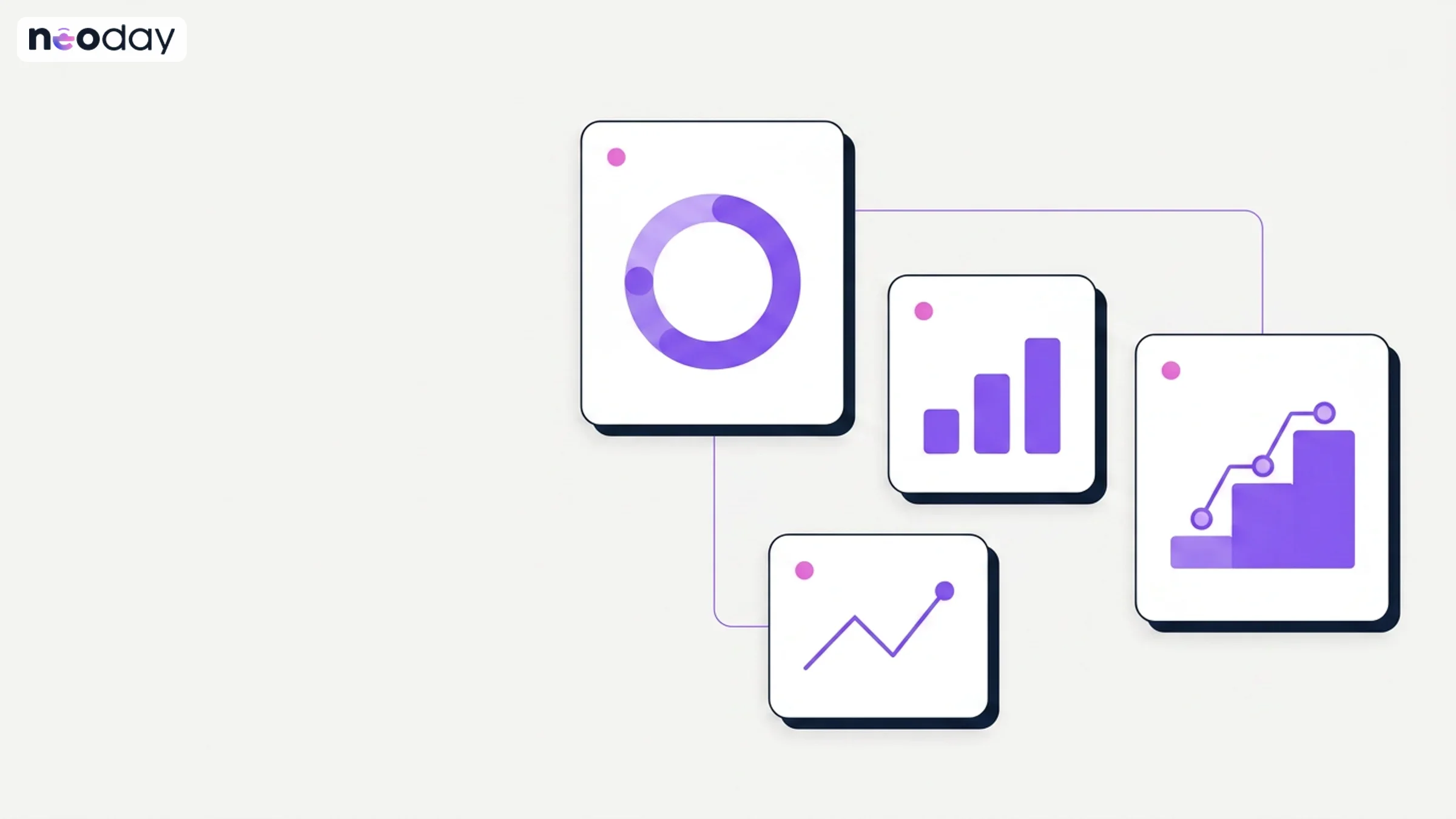
A gamified loyalty dashboard lets retail members track challenge progress, milestone rewards, and tier status in one place.
5. Add badges to make progress visible
Badges are a lightweight gamification mechanic that acknowledges achievements without a monetary cost. A badge for a first purchase, a seasonal visit streak, or a product review gives members a sense of identity within your program.
Badges also create social currency. When a member can share their "Summer Explorer" badge or display their "Top Reviewer" status in their profile, your brand earns organic visibility. This is the kind of engagement that a discount coupon simply cannot produce.
6. Offer a paid or premium membership tier
Paid membership programs like Amazon Prime have demonstrated that customers will pay for access to exclusive benefits when those benefits are genuinely valuable. In retail, this might mean free returns, member-only pricing, or priority access to limited stock.
The psychological effect is significant: a customer who has paid to belong is far more likely to consolidate their spending with you. The upfront fee also offsets some of the cost of running the program. For the software side of running a membership program, NeoDay's membership card software covers digital card issuance and member management out of the box.
7. Personalize rewards based on purchase history
Generic rewards feel generic. When a customer who exclusively buys running shoes receives a voucher for kitchenware, the message is clear: you do not really know them.
Personalized loyalty rewards use purchase data to serve offers that are relevant to each member's actual preferences. Even basic segmentation, grouping members by category or brand affinity, produces materially better redemption rates than one-size-fits-all campaigns.
8. Integrate coupons and vouchers as a precision tool
Coupons tend to get a bad reputation because they are overused. But as a targeted, time-limited incentive, a coupon or voucher can be one of the most effective tools in a loyalty program.
The key is precision: send a coupon to a member who has not visited in 60 days, or to a high-value member ahead of a new collection drop. Used this way, coupons accelerate a decision that was already leaning your direction. NeoDay's coupon software is built into the loyalty platform so voucher campaigns and points logic work from the same member record.
9. Bridge online and in-store with a unified member profile
Retail customers move between channels constantly. They research online and buy in-store, or they pick up in-store and return via your website. A loyalty program that only tracks one channel misses most of the picture.
A unified member profile aggregates earning and redemption activity regardless of where it happens. This gives you an accurate view of CLV and ensures members never feel like they are starting from zero when they switch channels.
10. Use gamification as the connective tissue
Gamification is not one tactic. It is the design philosophy that makes all the other tactics more effective. Points, tiers, milestones, challenges, and badges work individually, but they work exponentially better when they are connected inside a coherent program that members can navigate and understand.
NeoDay is built around this philosophy. The platform ships gamified loyalty mechanics out of the box, including milestone campaigns, challenges, points, tiers, and badges, alongside a member-facing frontend that makes progress visible and motivating. You can explore the full feature set at NeoDay Loyalty.
For inspiration on how leading retailers structure their programs, the best retail loyalty program examples post covers a range of approaches worth studying.
Comparing loyalty program mechanics by goal
Different tactics serve different business objectives. The table below maps common retail loyalty mechanics to their primary impact area, so you can prioritize based on what your program needs most right now.
Mechanic | Primary goal | Best for | Effort to implement |
|---|---|---|---|
Points | Repeat purchase frequency | All retail segments | Low |
Tiers | Increasing spend per visit | Mid-to-high AOV retailers | Medium |
Milestone campaigns | Re-engagement and lifecycle | Subscription and specialty retail | Medium |
Challenges | Behavior change, category trial | Fashion, grocery, F&B | Medium |
Badges | Engagement, social sharing | Brand-focused retailers | Low |
Paid membership | Revenue offset, consolidation | High-frequency categories | High |
Personalized coupons | Win-back, conversion | All retail segments | Medium |
Unified member profile | Cross-channel CLV visibility | Omnichannel retailers | High |
What good program design looks like in practice
The best loyalty programs feel effortless for the member and deliberate for the operator. A member should always know where they stand, what they are working toward, and how to get there. An operator should be able to read program health at a glance and adjust levers without a development sprint.
That combination of member experience and operator control is what separates SaaS-built programs from legacy point solutions. If you are evaluating platforms, the NeoDay loyalty platform overview shows how these mechanics are configured and managed in practice.
Loyalty program mechanics: retail vs. restaurant vs. membership
The core mechanics are transferable across industries, but priorities shift depending on the business model. The table below highlights the most important differences.
Dimension | Retail | Restaurant | Membership business |
|---|---|---|---|
Visit frequency | Weekly to monthly | Daily to weekly | Monthly to annual |
Key loyalty driver | Category breadth, exclusivity | Convenience, habit | Belonging, access |
Most effective mechanic | Tiers and personalized offers | Stamps, challenges, streaks | Paid tiers, milestone rewards |
Churn signal | No purchase in 60-90 days | No visit in 14-30 days | Non-renewal |
Channel complexity | High (online plus in-store) | Medium (app plus POS) | Low to medium |
Restaurant loyalty operates at a faster cadence and leans harder on habit formation. For a detailed look at that space, the best restaurant loyalty program examples post covers formats and mechanics specific to food and beverage.
Putting it together: a starting framework
If you are designing or redesigning a retail loyalty program, a practical starting point is to answer three questions before selecting any mechanic.
First, what behavior do you want to reinforce? Frequency, basket size, category trial, and referrals each call for different tools. Second, what does your data tell you about where members drop off? A re-engagement problem calls for milestone campaigns and targeted coupons, not a new tier structure. Third, what can you sustain operationally? A program that requires manual intervention every week will be deprioritized the moment the team gets busy.
Starting from those questions keeps the design grounded in business outcomes rather than feature checklists.
Sources: Bain and Company, "Prescription for Cutting Costs" (customer retention and profit impact data); Harvard Business Review retention research; NeoDay platform documentation.
FAQ: retail loyalty program ideas
What are the most effective retail loyalty program ideas for increasing CLV? The most effective ideas combine points, tiers, milestone campaigns, and personalized offers into a single coherent program. Each mechanic reinforces a different stage of the customer lifecycle, and gamification design connects them so members stay engaged between purchases.
How does gamification improve a retail loyalty program? Gamification improves loyalty programs by making progress visible and rewarding specific behaviors, not just purchases. Mechanics like challenges, badges, and milestone campaigns trigger motivation that passive discounts cannot replicate, which increases engagement and return visit frequency.
What is a milestone campaign in a loyalty program? A milestone campaign is an automated reward triggered when a member reaches a specific threshold, such as a fifth purchase, a spending anniversary, or a return after a period of inactivity. Milestone campaigns are effective for re-engagement and for making customers feel recognized at key moments in their lifecycle.
Should retail loyalty programs use paid membership tiers? Paid membership tiers work well when the benefits are genuinely exclusive and the customer visits frequently enough to perceive value. They reduce price sensitivity, concentrate spending with one retailer, and generate upfront revenue that partially offsets program costs.
How many tiers should a retail loyalty program have? Three tiers is the most common structure and tends to perform well because it creates clear aspiration without overwhelming members. More than four tiers can dilute the sense of achievement at each level, while two tiers often fail to sustain long-term engagement.
What is the difference between a loyalty challenge and a milestone campaign? A loyalty challenge is a time-limited campaign that asks members to complete a defined set of actions within a specific window to earn a reward. A milestone campaign is triggered automatically when a member reaches a cumulative threshold, regardless of timing. Challenges create urgency; milestones reward progress over time.
How do I measure whether my retail loyalty program is increasing CLV? Track purchase frequency, average order value, and total revenue per member across cohorts enrolled in the program versus those who are not. Redemption rate and active member ratio are useful leading indicators, while CLV delta over 12-month windows is the most reliable lagging measure of program health.
Can small retailers benefit from loyalty program software? Yes. Modern SaaS loyalty platforms are designed to scale down as well as up, with configurable mechanics and member frontends that do not require a development team to operate. A small retailer can launch a points and tier program quickly and expand to challenges and milestone campaigns as the member base grows.