
Blog
Product Updates
Seasonal promotions and loyalty: How timing matters

Ronald Meeuwissen

Seasonality influences how people shop more than most businesses realize, which is why seasonal promotions can make such a big difference in whether customers stay engaged or drift away. The timing of an offer changes how people notice it, how useful it feels to them, and whether they bother coming back. When they hit the right moment, seasonal promotions can quietly build loyalty over time, not just boost sales for a week.
People naturally react more when something shows up at the moment they actually need it. A promotion that lands at the right moment feels thoughtful and helpful, while something delivered too early or too late can feel out of sync. In the next parts, we’ll look at why timing matters, what actually makes a seasonal promo stick, and how it connects to loyalty in a more real-world way.
Understanding the impact of seasonal promotions on customer loyalty
Seasonal promotions grab attention fast, but their real value shows up later in how people come back. When a brand seems to know the right moment to show an offer, customers read that as “they get me,” even if they don’t say it out loud. A study in the Journal of Retailing and Consumer Services looked at how promotional incentives inside loyalty programs influence behavior, and the big takeaway was simple: timing matters almost as much as the reward itself.
A lot of us fall into patterns without noticing. Someone who buys holiday gifts from the same shop every year usually isn’t doing it because of the discount. They do it because the brand shows up with something that fits the moment. That sort of consistency builds a quiet kind of trust, and once that’s there, customers don’t need to be convinced each time.
When seasonal promotions line up with how people already behave, they stop feeling like ads and start feeling like part of the routine. That’s the space platforms like NeoDay try to help brands reach, where timing feels natural, not forced.
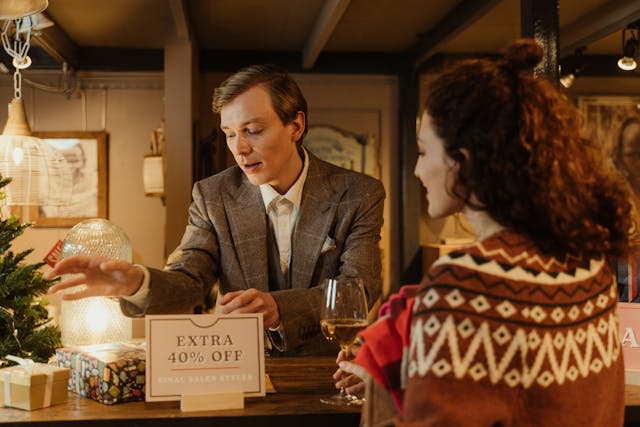
Creating a sense of urgency with limited-time offers
Urgency is one of the strongest psychological triggers during seasonal promotions because the season already sets a clear deadline. Limited-time offers hit harder during moments like back-to-school or holiday rushes. People know the window closes fast, and that changes how they respond.
A study published in the Journal of Behavioral and Experimental Economics shows that time pressure increases the likelihood of purchase by speeding up decision-making and reducing hesitation, especially when offers are tied to a specific moment.
People aren’t just reacting to the deal itself. It’s more the feeling that the moment will pass and they’ll miss it. They’re responding to the fear of missing something that won’t come back soon. If the urgency feels natural and not exaggerated, people tend to check back the following year without even thinking much about it.
Examples that work well include
Early access for loyalty members
Flash sales tied to seasonal moments
Quick countdown prompts to help people plan
These approaches work best when they feel helpful, not pushy. A light reminder usually works better than pressure, and people remember that feeling. For more on how timing influences buying behavior, you can read more here.
Aligning promotions with seasonal trends and customer behavior
Seasonal behaviors shift throughout the year, and promotions work best when they align naturally with these patterns. Getting a sense of how people move through different seasons helps promotions feel like they fit naturally instead of appearing out of nowhere.
Academic research shows that environmental factors like weather, holidays, and cultural rhythms influence consumer purchasing behavior and retail performance. For example, sunny or rainy conditions are both linked with higher sales compared with neutral weather, while seasonal changes consistently shape what people choose to buy and when they choose to buy it.
You can see these patterns in common shopping moments:
Warmer months often boost outdoor, travel, and leisure-related purchases
Back-to-school periods trigger purchases of organization and productivity items
Holiday seasons increase spending on gifts, food, and family activities
When promotions line up with how people actually behave, customers pick up on that. It feels more natural and less like they’re being pushed. When people feel understood, they tend to stick around longer. It comes across as paying attention, not just running another marketing play, making seasonal promotions a subtle but powerful way to build stronger customer relationships.
Leveraging loyalty programs for seasonal promotions
Loyalty programss give structure to seasonal promotions in a way customers actually notice, even if only subconsciously. Instead of random deals popping up, there’s a rhythm: points stack a little faster during certain months, a reward unlocks right when people usually shop, or a familiar offer returns at the same moment every year. Research on PubMed Central shows that well-built loyalty card programs do more than just reward purchases; they make customers feel the relationship is ongoing.
When promotions follow that rhythm, timing becomes one of the motivators. Customers begin to expect certain things during certain seasons, and when those expectations are met, they keep coming back almost automatically. It’s not about flooding them with deals. Small, steady signals paired with a clear reward system often do more.
Offering exclusive promotions to loyalty program members
Exclusivity has a way of changing how people see seasonal promotions. If something is available only to members, early access, a reward that shows up before the general crowd sees it, or a seasonal perk that unlocks because they’ve been active, it feels more personal. Not fancy, just personal.
Here are a few examples that tend to land well:
Early access to experiences tied to the season
Rewards that only unlock during certain months
Seasonal bonuses tied to simple activities
Priority access when something new drops
Research from the financial services industry shows that when customers feel a brand invests in them with unique or members-only benefits, loyalty deepens in a way regular discounts can’t match. It’s less about the size of the reward and more about the message, “You belong here.” Customers who feel that during meaningful seasonal moments tend to stay for the long run.
Using loyalty program data to time promotions effectively
One of the biggest advantages of a loyalty program is that it shows the actual story of how people shop. Not guesses, real behavior. You can see who always buys early, who waits until the very last moment, or which group tends to show up only during certain months. Over time, that info becomes incredibly helpful for planning seasonal promotions.
Research on personalized, data-driven marketing shows that when brands customize timing around what customers really do, engagement rises and loyalty strengthens because the offers feel relevant rather than random. You can use that data in all sorts of practical ways: spotting the week when interest usually peaks, noticing which group responds to a countdown, or catching the moment people typically return for reorders.
When seasonal promotions match how people naturally behave, customers feel understood instead of pushed. That feeling sticks, and over time it becomes part of why they stay.
Maximizing the impact of seasonal promotions and loyalty
Seasonal promotions work better when they’re part of a rhythm instead of a single push. If timing, relevance, and rewards fall into place, customers feel the brand understands what matters to them and when. A study in the Journal of Retailing and Consumer Services found that when promotions inside loyalty programs are structured and timed carefully, they influence both short-term decisions and long-term habits.
The bigger idea in this blog is pretty simple: seasonal promotions work best when they follow real behavior. Honest urgency beats pressure. Timing should match how people naturally shop, not how a brand wishes they would. Loyalty programs add the structure around it: the seasonal rewards, the data, and the predictable patterns. When brands follow those patterns, seasonal promotions stop being a spike on a calendar and turn into something people look for every year.
This perspective aligns closely with how NeoDay helps brands understand timing and behavior across different seasons. If you want to explore more ideas on loyalty and customer timing, you can browse more stories on the NeoDay blog.